
Personalized 1-on-1 Support to Stop Emotional Eating—Without Dieting or Shame
If food feels overwhelming or emotionally charged, you’re not alone. Emotional Eating & Food Cravings Coaching, led by Heather M. Hewett, helps you understand why emotional eating happens and how to gently shift it—without restrictive diets, guilt, or willpower.
This one-on-one coaching supports adults stuck in cycles of stress eating, cravings, or food guilt who want a calmer, more trusting relationship with food. It’s not about control—it’s about clarity, nervous system regulation, and lasting change.
Emotional eating happens when food becomes a way to cope with emotions such as stress, anxiety, overwhelm, boredom, or emotional exhaustion rather than physical hunger. Over time, this pattern can feel automatic and difficult to interrupt.
That’s why emotional eating coaching focuses on understanding the root causes instead of managing symptoms.
This approach recognizes that emotional eating is not a failure; it’s information. Coaching helps you work with your body and emotions instead of against them.

This is a fully personalized coaching experience tailored to your unique history, challenges, and goals. Your support may include
Rather than telling you what to eat, this coaching helps you understand why eating feels difficult and reminds you that change is possible without force.

When it comes to emotional eating, trust matters. You deserve support that feels safe, respectful, and grounded in real experience.
Heather M. Hewett brings:
Many clients share that this is the first time they’ve felt truly understood around food, without pressure, judgment, or unrealistic expectations.

This coaching is especially supportive if you:
If food feels like a constant mental burden, this coaching offers a calmer, more sustainable way forward.
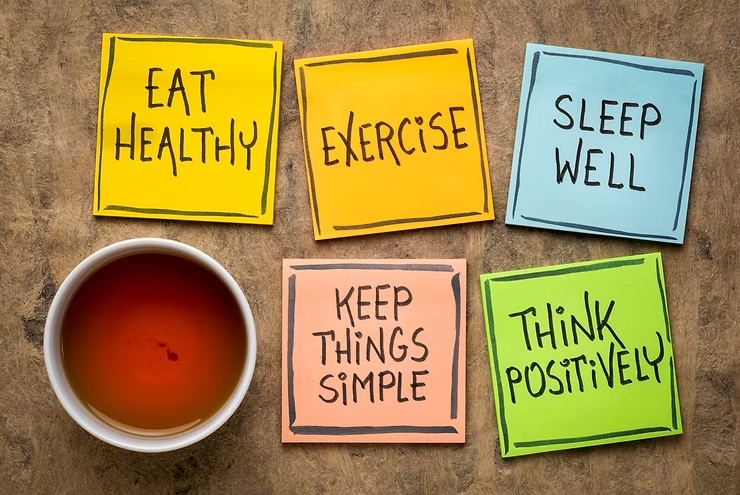
Unlike approaches that focus on control or discipline, emotional eating coaching supports long-term change by addressing underlying patterns.
Through coaching, you’ll learn how to:
This work is not about perfection; it’s about progress, understanding, and self-compassion.

One client came to coaching feeling frustrated by constant stress eating during overwhelming workdays. Food had become her primary way to unwind, followed by guilt and self-criticism.
Through emotional eating coaching, she learned to recognize stress cues earlier, regulate emotional overwhelm, and respond with supportive practices instead of automatic eating. Over time, cravings softened, confidence grew, and food became less emotionally charged.

You don’t have to keep fighting food cravings or feeling stuck in emotional eating cycles. With compassionate, personalized Emotional Eating & Food Cravings Coaching, you can begin building a calmer, more supportive relationship with food at your own pace.
👉 Apply for 1-on-1 emotional eating coaching with Heather M. Hewett
You deserve support that honors your experience and helps you move forward with confidence.

Emotional eating is when food is used to cope with emotions like stress, anxiety, sadness, or overwhelm rather than physical hunger. It’s a learned response, not a lack of willpower. Coaching helps you understand these patterns and develop healthier ways to respond to emotions.
Emotional eating is often triggered by stress, emotional overload, nervous system dysregulation, or long-standing coping habits. Life pressure, anxiety, and past experiences can all play a role. Coaching focuses on awareness and emotional regulation rather than food restriction.
Physical hunger develops gradually and can be satisfied with many foods. Emotional eating often feels urgent, specific, and emotionally driven. Coaching helps you recognize these differences gently, without judgment or rigid rules.
Yes. Stress can activate survival responses in the body, increasing cravings for comfort foods. This is a biological response, not a personal failure. Stress eating coaching helps address the root cause by supporting regulation and emotional awareness.
Emotional eating often provides temporary comfort or relief. Over time, the body learns to associate food with emotional safety. Coaching helps you build new ways to meet emotional needs without relying on food.
Yes. Emotional eating patterns can shift with the right support. Healing doesn’t mean never emotionally eating again; it means understanding triggers, reducing intensity, and creating a more trusting, peaceful relationship with food.

If something in this page resonated, you don’t have to navigate it alone. Booking a one-on-one session is simply a space to explore what’s happening for you and see if this support feels like a fit. There’s no pressure, just a calm conversation centered on your needs.