
Yes, a health coach can help with emotional eating by helping you understand your eating patterns, identify triggers, build healthier responses to stress and emotions, and create sustainable habits without relying on shame or rigid dieting.
The right support is not about being told to “try harder.” It is about understanding what is happening before the urge to eat, recognizing what your body and emotions may be communicating, and developing practical tools that give you more choice.
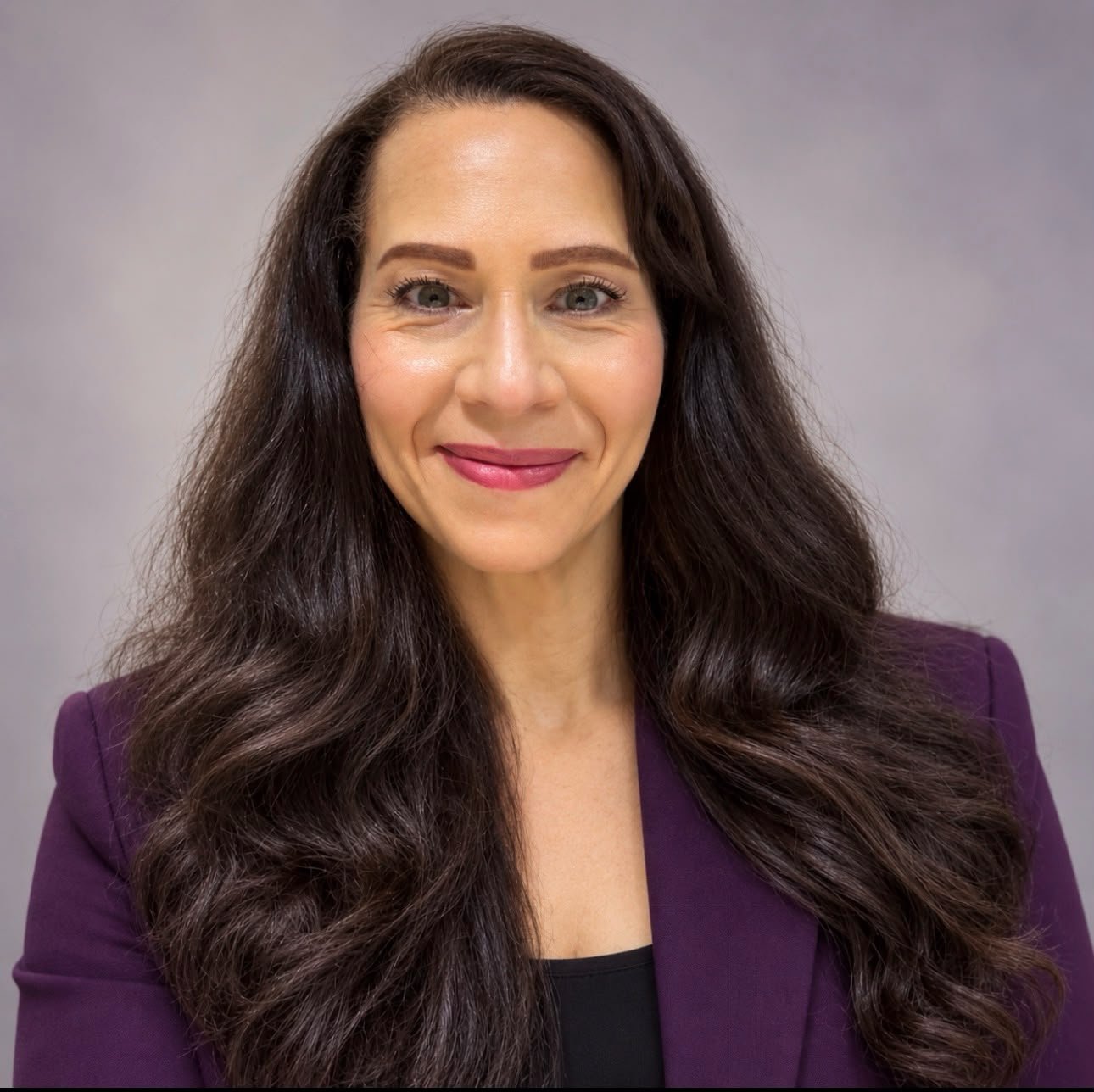
For Heather M. Hewett, that work brings together clinical nutrition, holistic health coaching, emotional resilience, nervous system regulation, and somatic awareness. Her approach is grounded in more than 23 years of experience and is shaped by both professional expertise and her own 100-pound weight-loss journey.
Important: Health coaching is not a replacement for medical care, psychotherapy, or specialized eating-disorder treatment. The right type of professional support depends on your individual needs.
Can a Health Coach Help With Emotional Eating?
Yes. A health coach can help you understand emotional eating patterns and work toward healthier ways of responding to stress, emotions, cravings, routines, and other triggers.
The National Board for Health & Wellness Coaching describes health and wellness coaching as a client-centered process that helps people set their own goals, take action, strengthen self-management skills, and build accountability.
That distinction matters.
A health coach is not supposed to diagnose a medical or mental-health condition simply because someone struggles with food. The coach’s role is to support behavior change and help the client put healthy strategies into practice.
For someone who regularly eats after a stressful day, for example, coaching might explore questions such as:
- What happened immediately before the urge to eat?
- Was physical hunger present?
- What were you feeling at that moment?
- Were you exhausted, overwhelmed, lonely, bored, or overstimulated?
- What did the food seem to provide?
- Was there enough nourishment earlier in the day?
- What other responses could support you in that situation?
That creates a different conversation from “Why can’t I control myself?”
The more useful question becomes:
What is happening here, and what do I need?
Learn more about the scope of health and wellness coaching
What Does an Emotional Eating Health Coach Actually Help With?
Emotional eating is not always caused by one single factor.
Stress, emotions, habits, food restriction, physical hunger, sleep, environment, routine, and learned associations can all play a role. Research on stress-related eating also shows that the relationship is more complicated than simply saying “stress causes overeating.”
That is one reason personalized support can be more useful than a generic list of tips.
Identifying Emotional Eating Triggers
One of the first steps may be learning what tends to happen before the urge to eat.
Your triggers might include:
- Work stress
- Conflict
- Loneliness
- Boredom
- Fatigue
- Anxiety
- Emotional overwhelm
- Restrictive dieting
- Feeling deprived
- Difficult evening routines
You might notice that the strongest urge arrives late at night after a demanding day.
That does not automatically mean you lack discipline.
It may mean that a certain time, environment, emotional state, or routine has become closely connected with eating.
Heather’s guide on what emotional eating is, including common signs and triggers offers a deeper look at the pattern itself.
Building Alternatives to Automatic Eating
Food can become a fast and familiar coping strategy.
It is available immediately. It can be comforting. It can provide distraction, pleasure, familiarity, or temporary relief.
Health coaching can help you build other ways to respond so food is not your only coping tool.
Depending on your situation, that could include:
- Pausing before automatically reaching for food
- Slow breathing
- Grounding exercises
- Journaling
- Taking a short walk
- Changing your environment
- Reaching out to someone
- Resting
- Creating a more supportive evening routine
The goal is not to make comfort eating “forbidden.”
Food has emotional, cultural, social, and pleasurable roles in normal life.
The goal is greater awareness and flexibility.
Supporting Nutrition and Daily Habits
Emotional eating support should not ignore physical nourishment.
When meals are inconsistent, restrictive, or overly rigid, it can become harder to recognize what is actually happening in your body.
A health-coaching process may therefore look at:
- Meal consistency
- Food variety
- Satisfaction
- Hydration
- Sleep
- Movement
- Daily routines
- Energy
- Stress
- Hunger and fullness awareness
Heather’s clinical nutrition coaching approach considers nutrition together with stress, emotional patterns, and whole-person wellness rather than treating eating habits in isolation.
Supporting Emotional and Nervous System Regulation
This is an important part of Heather’s personal approach.
Her work connects nutrition with emotional resilience, nervous system regulation, and somatic awareness. The purpose is not to claim that every craving is caused by nervous-system dysregulation. Instead, the body’s stress state is considered as one part of a larger picture.
When someone feels overwhelmed, constantly “on,” disconnected, or reactive, learning to notice those states may help create a pause between the trigger and the response.
That can make healthier behavior easier to practice.
Explore Heather’s nervous system regulation coaching
Creating Accountability Without Shame
Accountability does not need to feel like punishment.
A supportive coaching conversation might ask:
“What made this situation difficult, and what can we learn from it?”
rather than:
“Why didn’t you stick to the plan?”
That difference is especially important for people who have spent years feeling guilty about food.
Why Emotional Eating Is Not Simply a Willpower Problem
Emotional eating is often described as though someone simply needs more discipline.
That explanation misses the complexity of eating behavior.
A review of stress-related eating research found that the field itself has struggled with inconsistent definitions and measurement methods. The available evidence does support an association between stress and eating behavior, but it does not support treating every episode of overeating as the same phenomenon.
More recent research makes that point even more clearly.
A 2026 experience-sampling study found that general stressors were not consistently associated with snacking in its sample, while specific situational factors such as time pressure were associated with a greater likelihood of snacking.
That matters because real-life eating patterns can involve several factors at once.
For example:
Stress + skipped lunch + exhaustion + limited time + a familiar evening routine
may create a very different situation from simply saying:
“I was stressed, so I ate.”
A good coaching process leaves room to investigate the full pattern.
Read the PubMed review on stress-related eating research
Read the 2026 PubMed study on stressors, emotions, and eating behavior
What Can Health Coaching Look Like in Real Life?
A personalized coaching process may look something like this.
Step 1: Understand the Pattern
You start by talking through your eating habits, challenges, routines, stressors, goals, and previous attempts to change.
The purpose is to understand the pattern, not to judge it.
Step 2: Choose One Meaningful Goal
Trying to “fix everything” at once often makes change harder.
A more useful starting point might be:
“I want to understand why I eat automatically after stressful workdays.”
That gives you something specific to work with.
Step 3: Notice What Happens Before the Urge
You begin observing:
What happened?
What am I feeling?
Am I physically hungry?
What does my body feel like?
What do I want food to do for me right now?
This kind of awareness can help separate an automatic reaction from a conscious choice.
Step 4: Create a Pause
You may practice a simple grounding, breathing, or awareness exercise before deciding what to do.
The purpose is not to force yourself not to eat.
It is to create enough space to choose deliberately.
Step 5: Look at Nutrition and Routine
You may discover that some episodes happen after long periods without enough food, during exhausting days, after poor sleep, or when your routine leaves little space for recovery.
Those factors deserve attention.
Step 6: Review What You Learn
A strategy might work well in one situation and not another.
That does not mean it failed.
It gives you better information.
Good coaching uses that information to adjust the approach.
Health Coach vs. Nutritionist vs. Therapist: Which Support Fits?
These professionals can sometimes work alongside one another, but they have different primary roles.
| Professional | Primary Role | May Be Appropriate For |
| Health Coach | Behavior change, accountability, habits, and self-management | Lifestyle change, routines, emotional eating patterns, goal support |
| Nutrition Professional | Nutrition education and nutrition care within professional scope | Nutrition-related goals, eating patterns, specialized nutrition needs |
| Therapist | Mental and emotional health treatment | Trauma, anxiety, depression, significant emotional distress, and other mental-health concerns |
| Medical Provider | Diagnosis and medical treatment | Medical conditions, testing, medication, diagnosis, and treatment |
There is no rule that says you can only work with one professional.
Someone may need a physician for medical care, a therapist for mental-health treatment, and a coach for practical behavior change and accountability.
The most important thing is understanding what kind of support you need.
Can a Health Coach Help With Food Cravings and Stress Eating?
Yes. Coaching can help you understand the situations surrounding cravings and develop more supportive ways to respond.
But a responsible coach should not promise that every craving will disappear.
Cravings can be influenced by many factors, including:
- Physical hunger
- Food restriction
- Habit
- Stress
- Sleep
- Environment
- Emotions
- Routine
- Food cues
The more useful goal is usually not to eliminate every craving.
It is to understand what is happening when cravings appear.
For example, ask:
Am I hungry?
Am I overwhelmed?
Have I gone too long without eating?
Am I looking for comfort, distraction, or relief?
What would support me right now?
That kind of awareness can gradually reduce the sense that every urge requires an automatic response.
How Can You Tell Emotional Hunger From Physical Hunger?
One of the most useful skills in emotional eating work is learning to distinguish physical hunger from emotionally driven urges.
Physical hunger often develops gradually and may come with body signals such as stomach emptiness, lower energy, difficulty focusing, or irritability.
Emotional hunger may appear more suddenly and can be closely connected to stress, boredom, anxiety, habit, or a strong desire for a particular food.
The distinction is not always perfect.
Stress, hormones, sleep, meal timing, health conditions, and other factors can influence how hunger feels.
Heather’s guide to recognizing true hunger and physical hunger cues provides a more detailed explanation of how these experiences can differ.
The goal is not to become obsessed with categorizing every eating experience.
It is to rebuild trust in your body’s signals.
When Is Health Coaching Not Enough?
There are situations where someone should seek clinical or specialized care instead of relying on health coaching alone.
Those may include:
- Recurrent loss-of-control eating
- Severe food restriction
- Purging
- Suspected binge-eating disorder
- Significant psychological distress
- Severe anxiety or depression
- Medical symptoms that require diagnosis
- Medication concerns
- Medical nutrition therapy
- An eating disorder that requires specialized treatment
Emotional eating and binge-eating disorder are not the same thing.
Emotional eating describes eating that is influenced by emotions, situations, habits, or emotional needs. It is not itself a clinical diagnosis.
Binge-eating disorder is a recognized eating disorder involving recurrent binge episodes, loss of control, marked distress, and other diagnostic criteria.
Heather’s resource on the difference between emotional eating and binge-eating disorder explains that distinction in more detail.
A responsible coach should know when another professional is needed.
That is not a weakness in coaching.
It is part of ethical care.
How to Choose a Health Coach for Emotional Eating
Not every health coach approaches emotional eating in the same way.
Before choosing someone, consider these five areas.
1. Training and Professional Background
Look at the person’s education, certifications, professional experience, and areas of specialization.
2. Philosophy
Ask whether the approach relies heavily on restriction and food rules or whether it focuses on awareness, sustainable habits, and a healthier relationship with food.
3. Scope of Practice
A trustworthy professional should be clear about what coaching can and cannot address.
4. Personalization
Your eating patterns exist within your own history, routines, environment, stressors, and goals.
You deserve an approach that considers those factors.
5. Referral Practices
Ask what happens when your needs go beyond coaching.
A responsible professional should be comfortable encouraging medical, nutritional, or mental-health support when appropriate.
Why Heather M. Hewett Takes a Different Approach
Heather’s work is built around a whole-person model rather than another rigid diet plan.
Her central message is:
Heal Your Gut. Regulate Your Emotions. Transform Your Life.
She brings together several areas that are often treated separately:
- Clinical nutrition
- Holistic health coaching
- Nervous system regulation
- Somatic awareness
- Emotional resilience
- Food relationship support
- Sustainable lifestyle change
Heather’s professional background includes being a Board Certified Traditional Naturopath, Clinical Nutritionist, Somatic Trauma Informed Therapy Certified practitioner, Alternative Medical Practitioner, and Holistic Health & Wellness Practitioner and Coach. She is also the author of Natural Health Simplified and The Butterfly Event: Breaking the Hunger Cycle.
Her personal story is also part of her brand. Heather shares her own 100-pound weight-loss journey, giving her a perspective that goes beyond simply handing clients another set of rules.
That combination is important for someone who has already spent years hearing:
“Just be more disciplined.”
The approach here is different.
Understand the pattern. Support the body. Regulate stress. Build awareness. Create sustainable change.
Not perfection.
Not punishment.
Not another cycle of restriction and guilt.
Is Emotional Eating Coaching Right for You?
Emotional eating coaching may be a good fit when you know you want to change your relationship with food but feel stuck trying to do it through willpower alone.
You may benefit from this type of support if:
- You often eat when stressed or overwhelmed
- Food cravings feel difficult to understand
- You feel disconnected from hunger and fullness cues
- You have a long history of dieting
- You want a non-diet approach
- You want accountability without shame
- You want to understand the patterns behind your eating
- You want personalized nutrition and lifestyle support
- You are interested in nervous-system-aware or somatic practices
- You want sustainable change rather than another temporary plan
The question is not always:
“How do I stop emotional eating?”
A more useful question may be:
“What is driving this pattern, and what kind of support would actually help me change it?”
That question can lead to a much more meaningful next step.
Ready to Explore What Is Happening for You?
You do not have to figure everything out before asking for support.
Heather offers online coaching and nutrition support worldwide, with a focus on helping people understand their relationship with food, reduce emotional overwhelm, and build healthier patterns without shame or rigid dieting.
When you are ready to talk through what you are experiencing and explore whether her approach is a good fit, you can book a free consultation with Heather.
A conversation can be a simple first step toward understanding what you need next.