Featured image for “How to Reduce Tension and Overthinking” showing a calm woman relaxing with a purple and pink branded Heather Hewett design.

How to Reduce Tension and Overthinking: 9 Ways to Feel Calmer

Overthinking can make it feel as though your mind never gets a chance to switch off. You replay conversations. You worry about what might happen next. You analyse decisions you have already made. You keep looking for an answer that will finally make you feel certain. At the same time,
Read More »
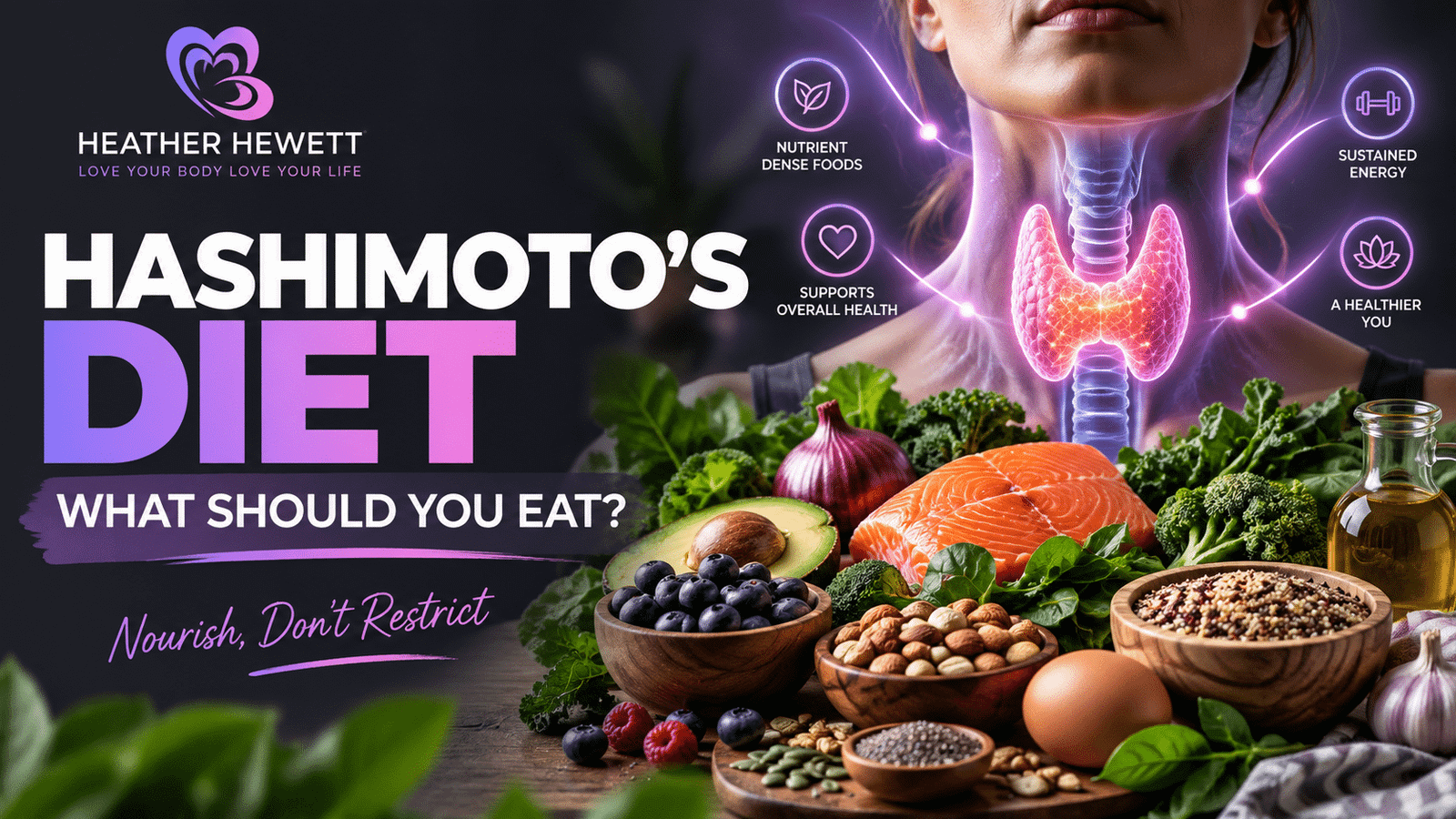
Hashimoto diet foods and what to eat with Hashimoto's, including nutrient-dense foods for thyroid health

Hashimoto’s Diet: What Should You Eat?

If you have Hashimoto’s thyroiditis, figuring out what to eat can become surprisingly complicated. You may have seen advice telling you to eliminate gluten, dairy, soy, sugar, grains, nightshades, or even vegetables such as broccoli. Then you find another source recommending completely different foods. So what should you actually eat

Read More »
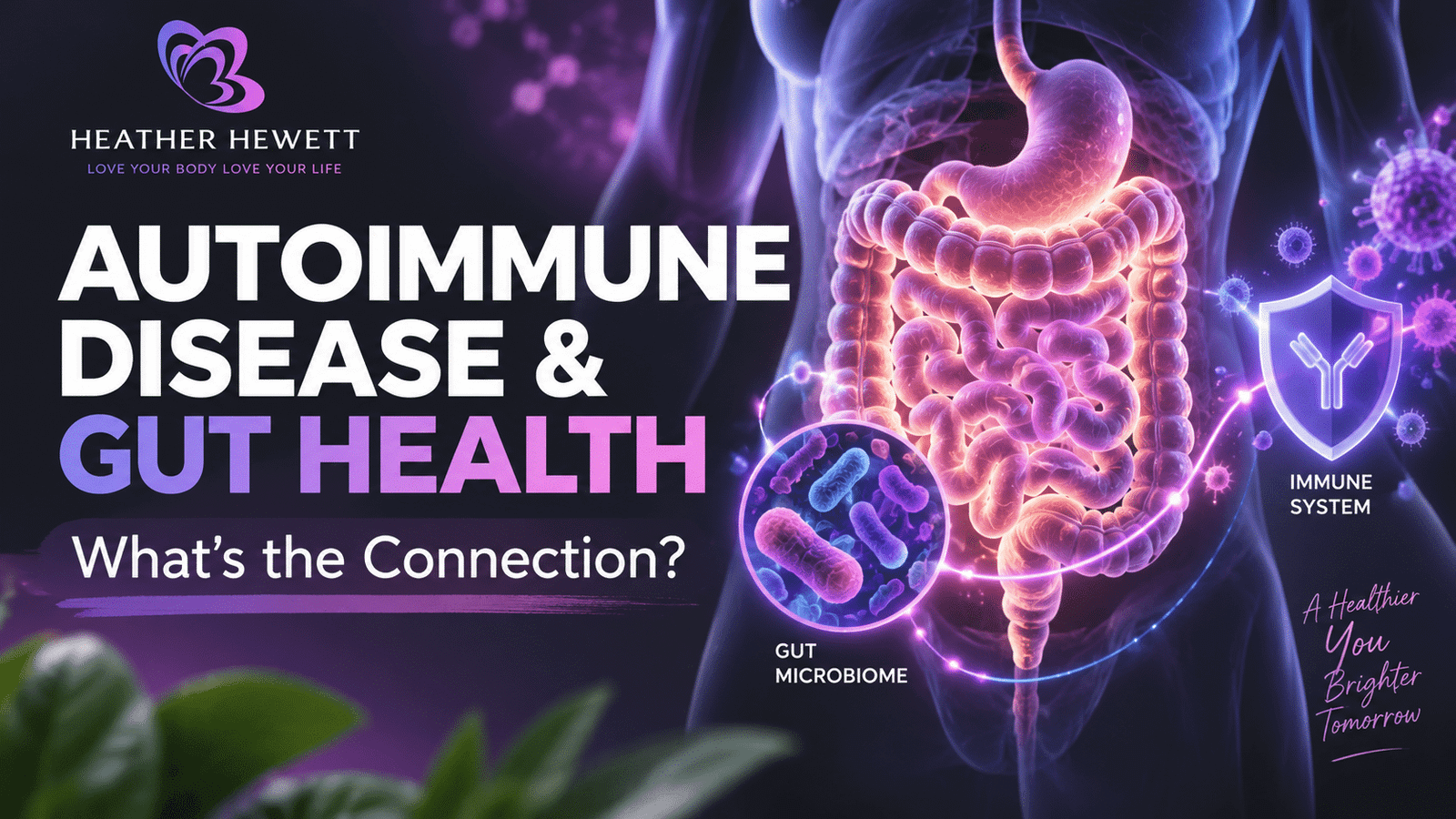
Autoimmune disease gut health and gut microbiome connection with the immune system

Autoimmune Disease and Gut Health: What’s the Connection?

There is a real and growing scientific interest in the relationship between gut health, the gut microbiome, and autoimmune disease. But the connection is more complicated than many online health claims make it sound. Research suggests that the gut microbiome interacts closely with the immune system and that changes in

Read More »
Anti-Inflammatory Diet for Autoimmune Disease

Anti-Inflammatory Diet for Autoimmune Disease: What to Eat and Why

An anti-inflammatory diet can be a useful way to think about nutrition when you have an autoimmune condition, but it is not a single prescribed diet and it is not a cure for autoimmune disease. There is growing evidence that overall dietary patterns, particularly Mediterranean-style eating patterns, may support lower

Read More »
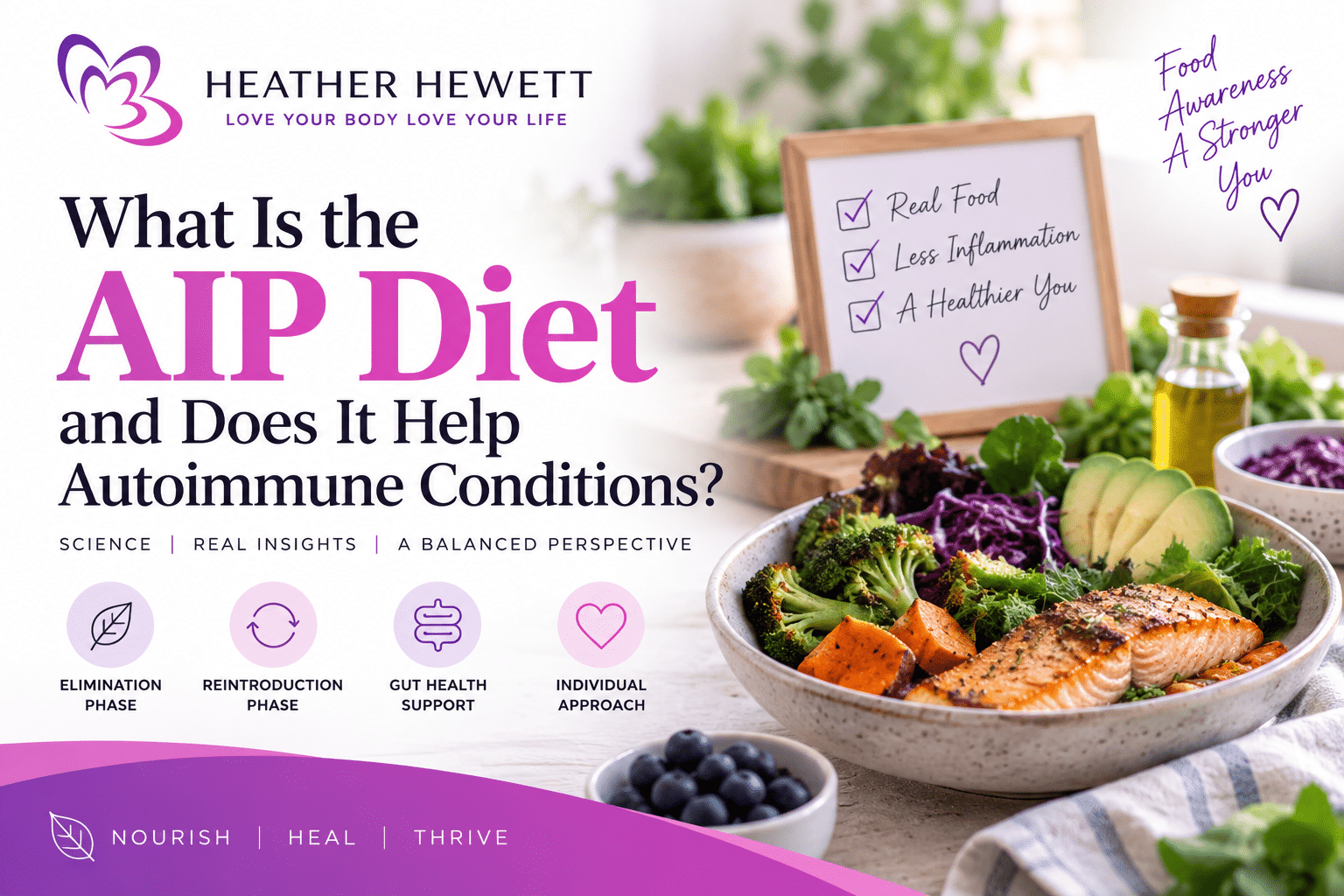
AIP diet guide showing the autoimmune protocol diet, including elimination, reintroduction, gut health support, and an individualized approach for autoimmune disease.

What Is the AIP Diet and Does It Help Autoimmune Conditions?

The AIP diet, short for the Autoimmune Protocol diet, is an elimination-style eating approach designed to identify foods that may contribute to symptoms while emphasizing nutrient-dense whole foods. It has become popular among people with autoimmune conditions because of its focus on inflammation, food triggers, gut health and individual tolerance.

Read More »
Can diet help autoimmune disease? A guide to diet and autoimmune disease, nutrition for autoimmune disease, and evidence-based autoimmune disease diet approaches.

Can Diet Help Autoimmune Disease? What the Evidence Says

Yes, diet can play a meaningful supporting role in autoimmune disease, but the evidence does not support the idea that one specific diet can cure autoimmune disease or work equally well for everyone. Research suggests that dietary patterns can influence factors such as overall nutritional status, inflammation, symptoms, and quality

Read More »
Nervous System Regulation 18 Months 23-Year Clinical & Somatic Guide

Nervous System Regulation: The Complete Somatic & Clinical Guide

Feeling constantly exhausted yet unable to rest, trapped in cycles of emotional eating, or fighting persistent digestive bloating isn’t a sign of broken willpower. It is a sign of a dysregulated nervous system. For years, mainstream wellness told us that managing stress was simply a matter of positive thinking or

Read More »
Woman with balanced nourishing foods and hormone cycle graphics illustrating how not eating enough may affect hormone health

Can Not Eating Enough Affect Your Hormones? Understanding Under-Fueling and Hormonal Changes

Yes, not eating enough can affect hormone signaling, particularly when your body does not consistently have enough energy available to support its normal functions. One of the clearest examples involves reproductive hormones. Sustained under-fueling, high activity without adequate nourishment, significant stress, or a combination of these factors can disrupt communication

Read More »
Woman with balanced foods beside blood sugar and hormones graphics in a women’s wellness setting

How Does Blood Sugar Affect Hormones in Women?

Blood sugar and hormones are connected, but the relationship is more complex than many hormone-health posts make it sound. Blood glucose naturally rises and falls throughout the day, especially around meals. Insulin, which is itself a hormone, helps move glucose from your bloodstream into your cells so it can be

Read More »
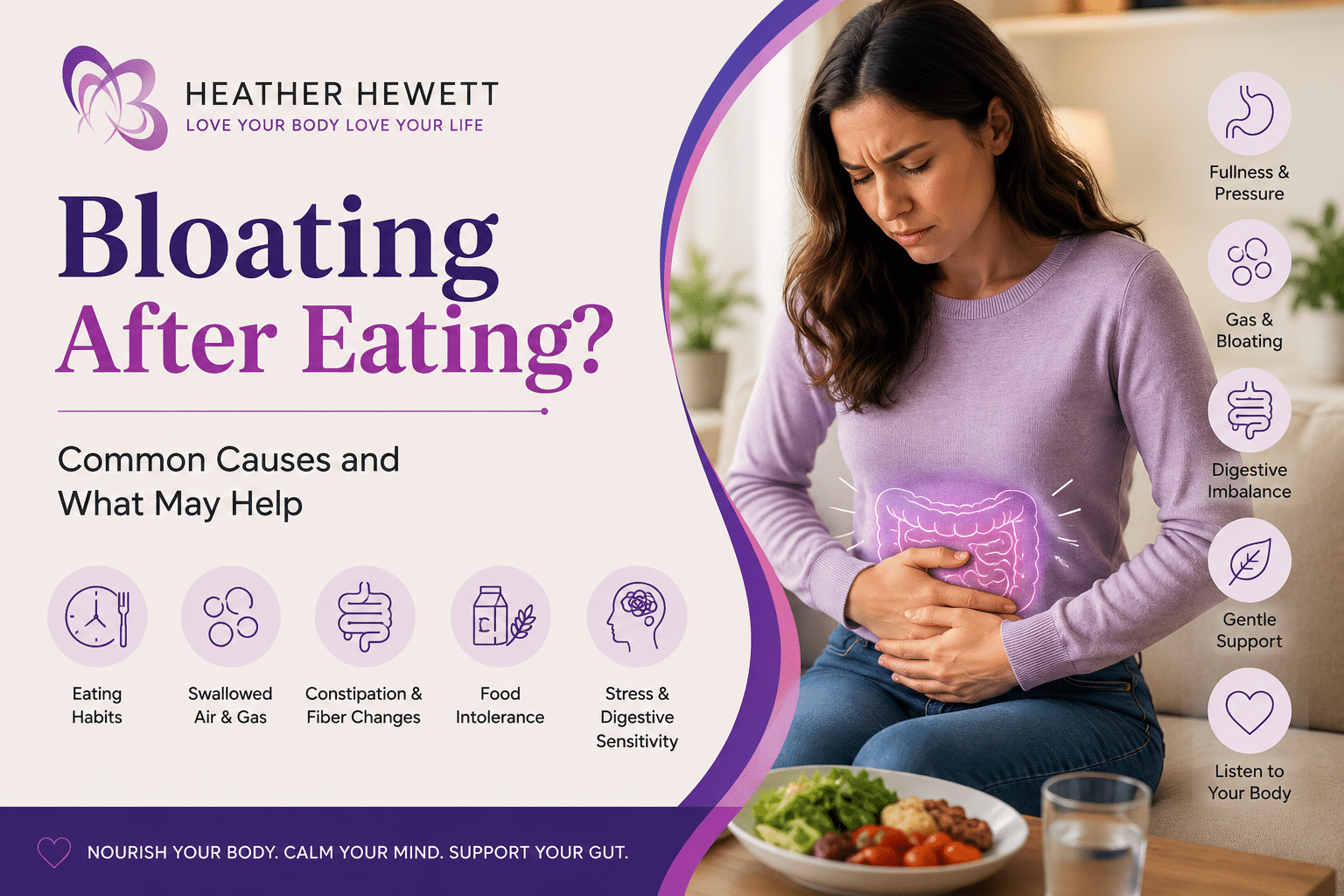
Bloating after eating illustration showing common causes including eating habits, swallowed air, constipation, fiber changes, food intolerance, stress, and digestive sensitivity.

Why Am I Bloated After Eating? Common Causes and What May Help

Bloating after eating can happen for many reasons, including meal size, eating too quickly, swallowed air, constipation, changes in fiber intake, food intolerance, digestive sensitivity, or an underlying digestive condition. Occasional bloating can be normal, but frequent, painful, persistent, or unexplained bloating deserves a closer look. When your stomach feels

Read More »
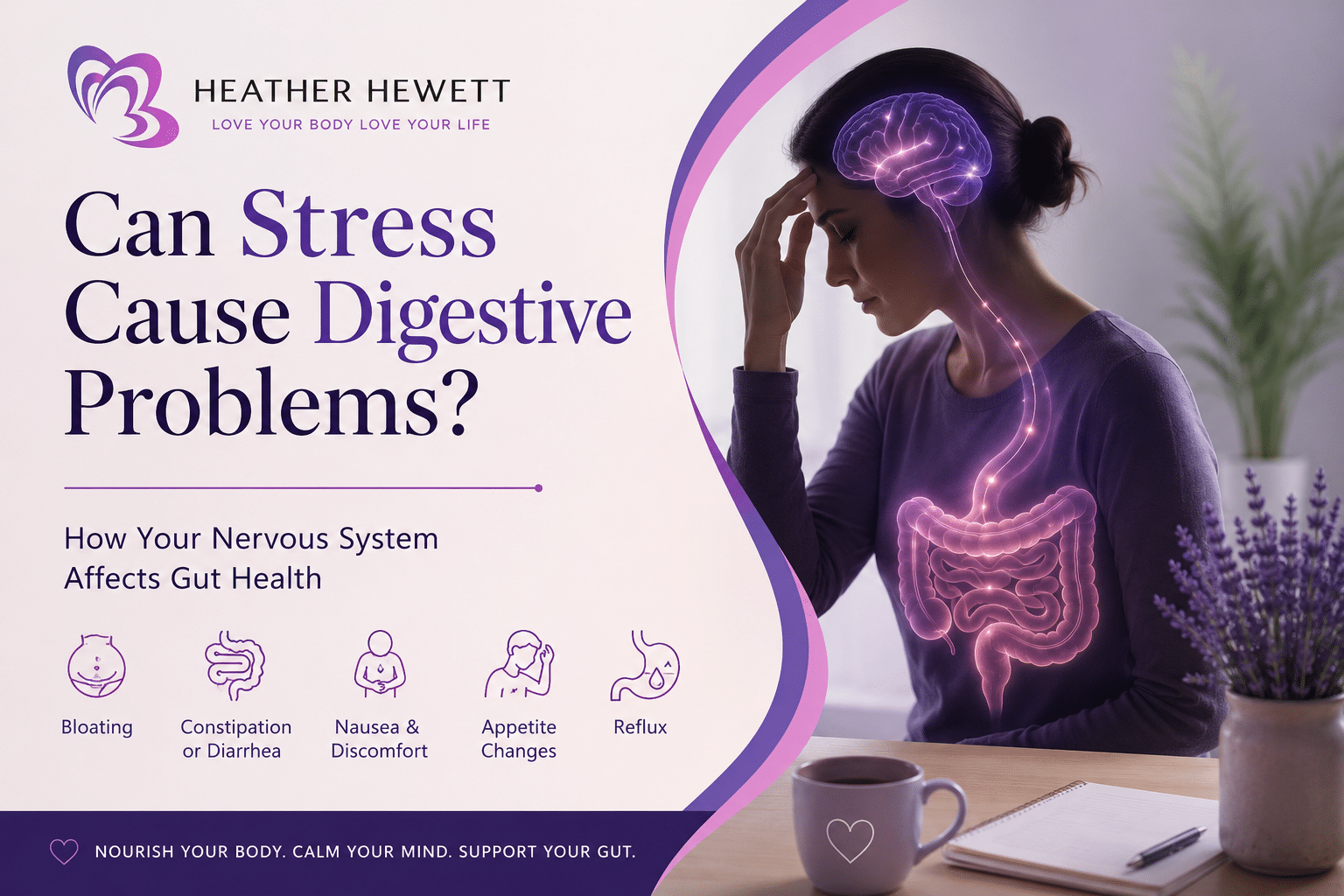
Can stress cause digestive problems? Illustration showing how stress and the nervous system may affect the brain-gut connection and digestive health.

Can Stress Cause Digestive Problems? How Your Nervous System Affects Gut Health

Yes, stress can affect digestion. Stress may influence gut movement, digestive sensitivity, appetite, bowel habits, and eating patterns through the connection between your brain, nervous system, and digestive tract. That does not mean every digestive symptom is caused by stress. Bloating, constipation, diarrhea, nausea, abdominal discomfort, appetite changes, and reflux

Read More »

Get instant access to free resources and helpful insights—delivered straight to your mail inbox.

Subscription Form