Overcoming food rules featured image showing Heather Hewett’s purple wellness branding, a calm woman silhouette, and flexible eating foods.

Practical Strategies for Overcoming Food Rules Without Guilt

Food rules can make everyday eating feel more complicated than it needs to be. They may sound like health advice, personal discipline, or “just being good,” but over time, some rules can become rigid, guilt-driven, or disconnected from your actual needs. Overcoming food rules does not mean abandoning structure, nutrition,
Read More »
Food guilt featured image for Heather Hewett showing a calm purple wellness design with a thoughtful woman silhouette and mindful eating bowl.

Understanding the Impact of Food Guilt

You may notice food guilt after replaying what you ate, thinking you had “too much,” or feeling like you broke a personal food rule. Instead of moving on from the meal, your mind may stay with it, judging the choice or wondering how to make up for it. If this

Read More »
Vagus Nerve Exercises for Cravings feature image with Heather M Hewett branding, a calm woman practicing nervous system awareness, and icons for breathing, heart regulation, gut-brain connection, and cravings

Vagus Nerve Exercises for Cravings: 7 Evidence-Based Techniques

Vagus nerve exercises for cravings may help indirectly by reducing stress, supporting relaxation, and improving awareness of hunger and emotional triggers. Slow breathing and mindfulness have the strongest supporting evidence. However, these exercises are not proven to directly stop food or sugar cravings and should be combined with balanced nutrition,

Read More »
Emotional Eating Quiz banner with Heather M Hewett branding, a reflective woman silhouette, and icons for emotions and cravings.

Emotional Eating Quiz: What’s Really Driving Your Cravings?

Do you sometimes reach for food when you feel stressed, bored, anxious, lonely, tired, or overwhelmed, even when you are not physically hungry? This emotional eating quiz can help you identify patterns behind your cravings and eating habits. Answer 20 simple questions to discover: Your emotional eating score Your overall

Read More »
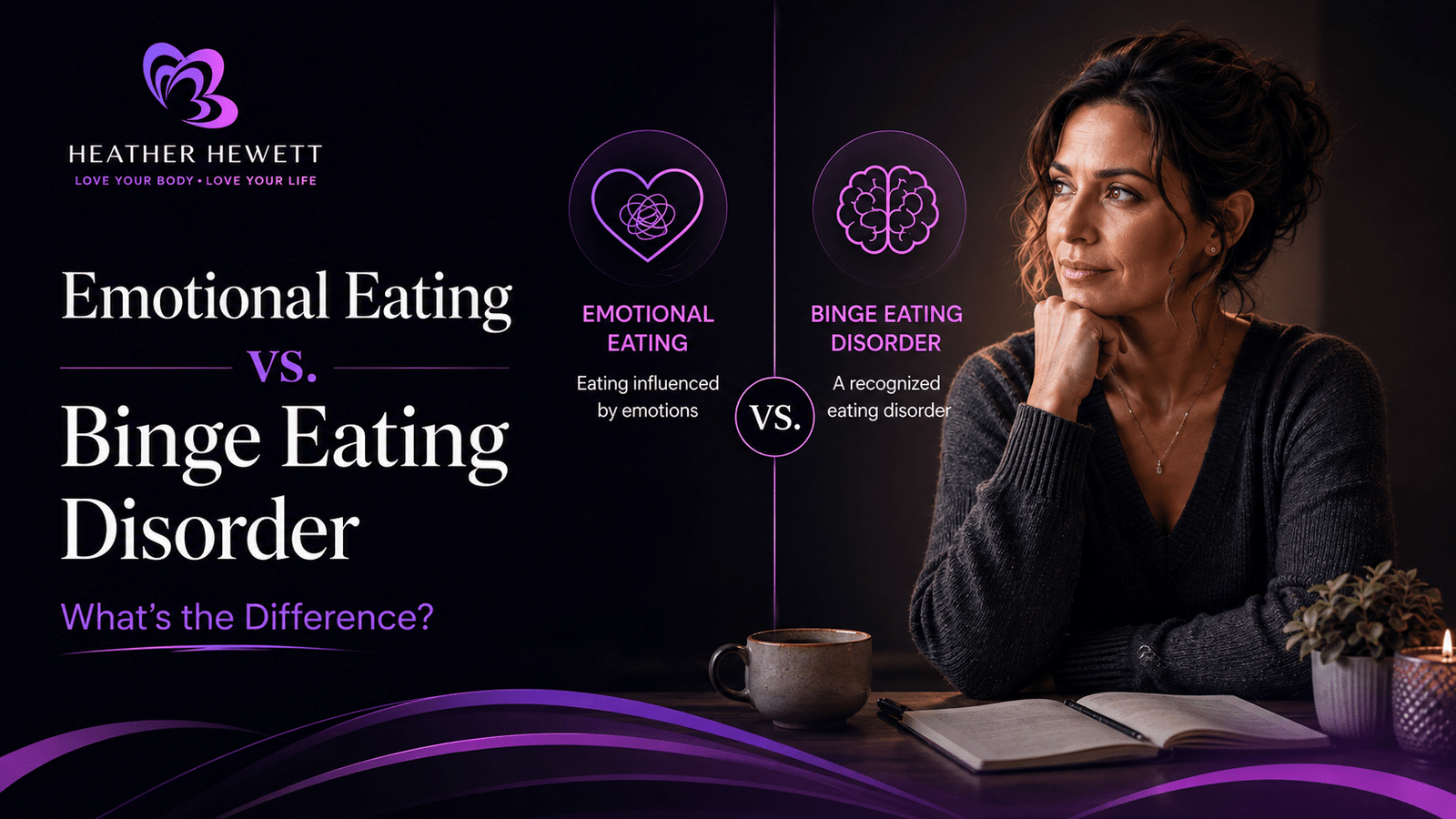
Emotional Eating vs Binge Eating Disorder

Emotional Eating vs. Binge Eating Disorder: What’s the Difference?

Emotional eating and binge eating disorder are not the same. Emotional eating means eating in response to emotions rather than physical hunger and is not itself a clinical diagnosis. Binge eating disorder, or BED, is a recognized eating disorder involving recurrent binge episodes, loss of control, marked distress, and other

Read More »
best program to stop emotional eating

How to choose the best program to stop emotional eating

If you’ve been asking yourself what is the best program to stop emotional eating is, you’re not alone, and the answer isn’t as simple as most program sales pages want you to believe. You’ve searched. You’ve scrolled. You’ve probably bookmarked more programs than you can count, only to close the

Read More »
Is EFT safe for trauma

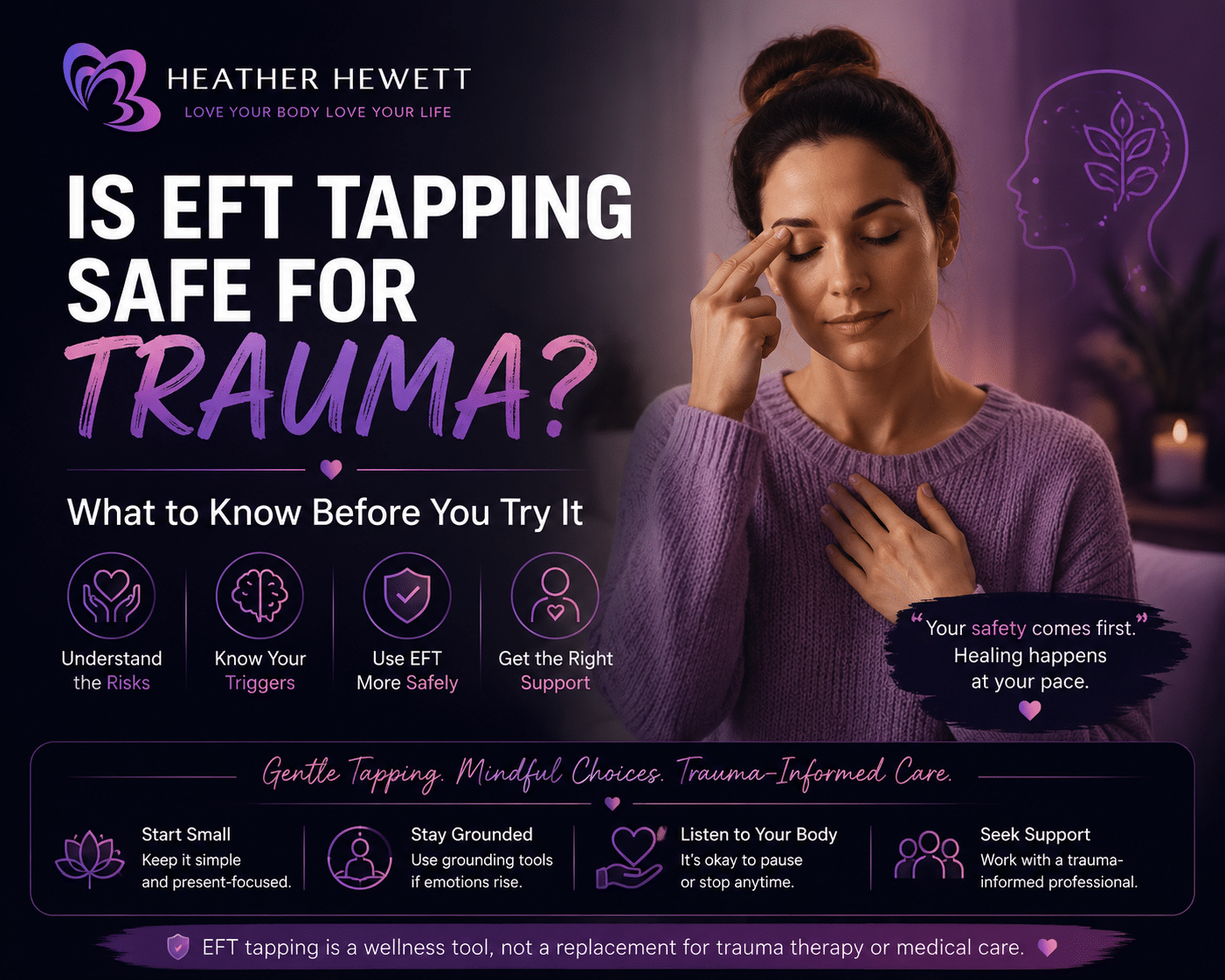
Is EFT Tapping Safe for Trauma? What to Know Before You Try It

EFT tapping may be a supportive grounding practice for some trauma survivors, but it is not automatically safe for everyone. Self-guided tapping can become emotionally activating when it brings attention to traumatic memories, fear, or body sensations. If you have flashbacks, dissociation, severe panic, or feel unsafe, seek trauma-informed professional

Read More »
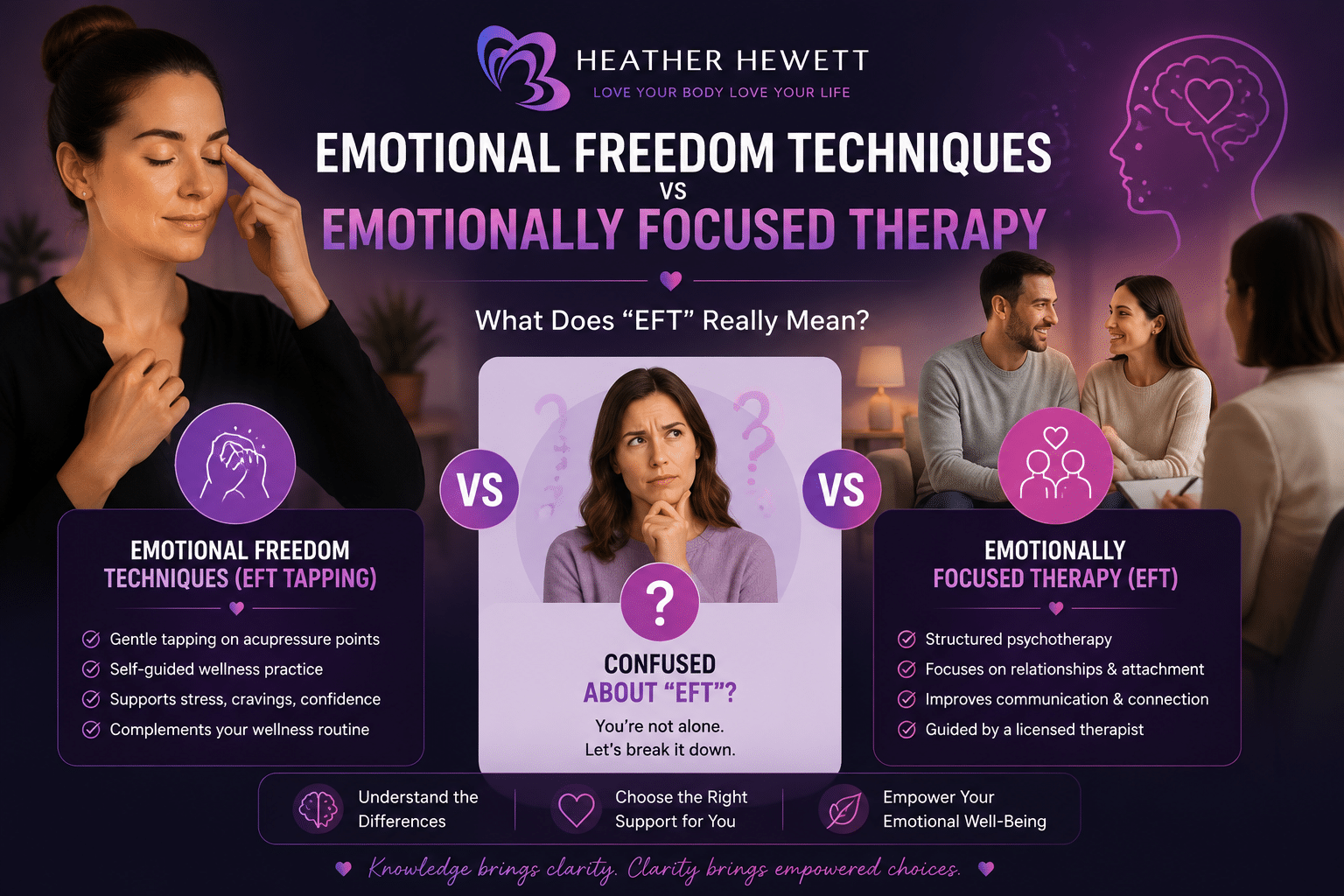
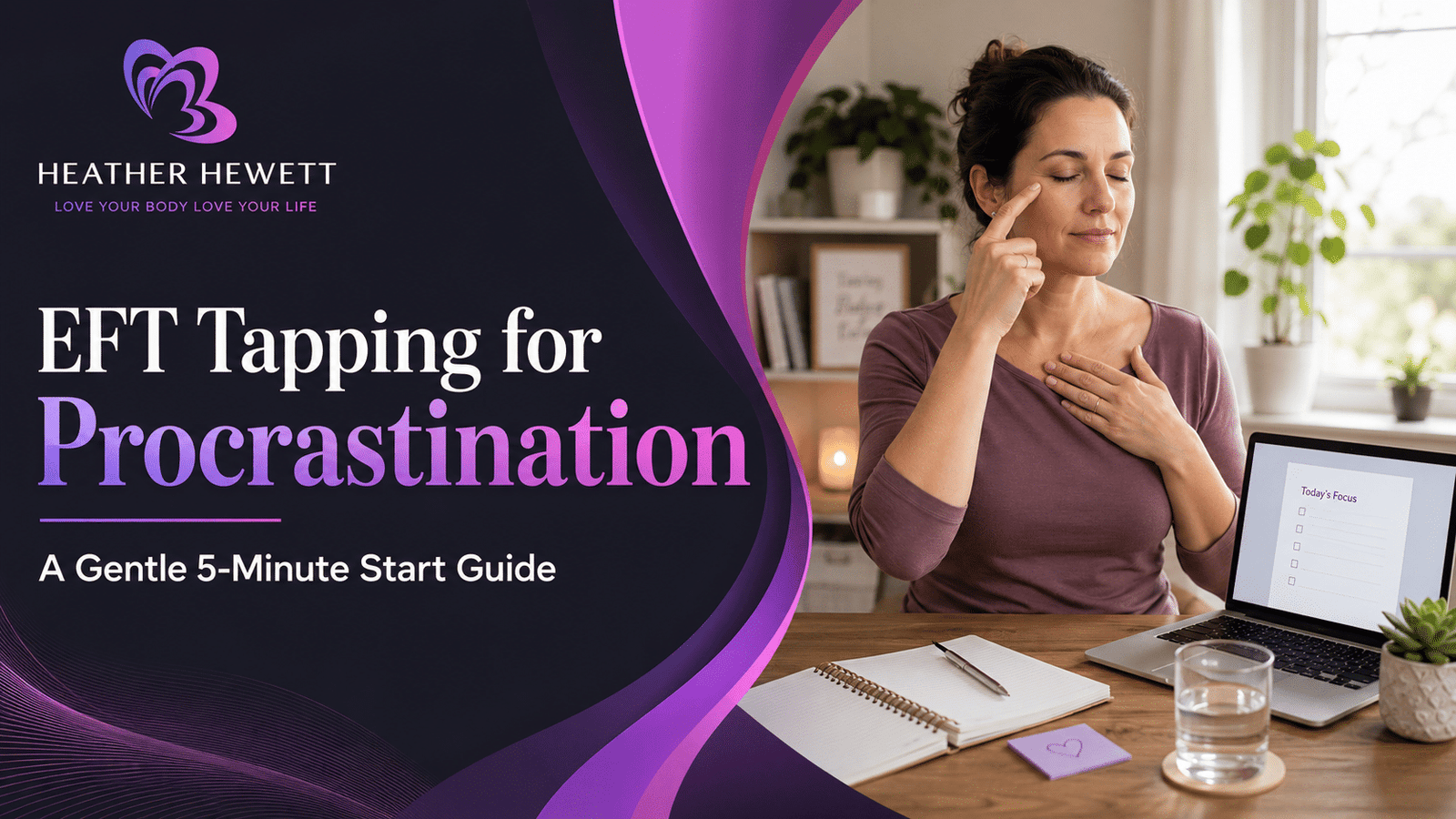
EFT tapping for procrastination

EFT Tapping for Procrastination: A Gentle 5-Minute Start Guide

EFT tapping for procrastination may help some people reduce the overwhelm, pressure, anxiety, or emotional resistance they feel before starting a task. It is not a proven cure for procrastination, but it can be a supportive self-regulation practice before one manageable next action. Procrastination is often more emotional than logical.

Read More »
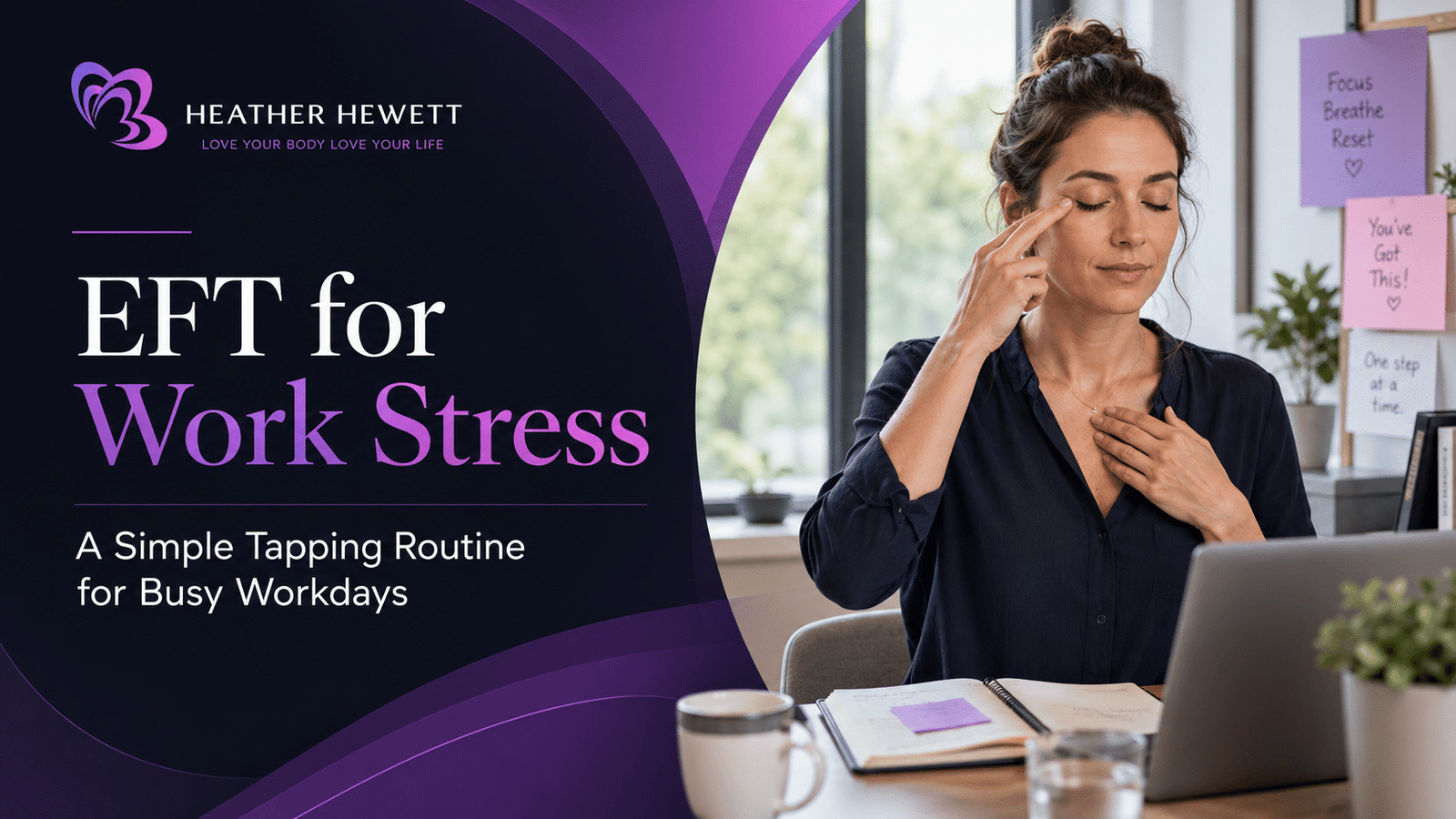
EFT for work stress

EFT for Work Stress: A Simple Tapping Routine for Busy Workdays

You open your inbox and see an urgent message. Your chest tightens before a meeting. A deadline is approaching, but you cannot focus. Or you leave work and keep replaying a difficult conversation in your mind. In this article, EFT means Emotional Freedom Techniques, also known as EFT tapping. It

Read More »
EFT setup statement examples

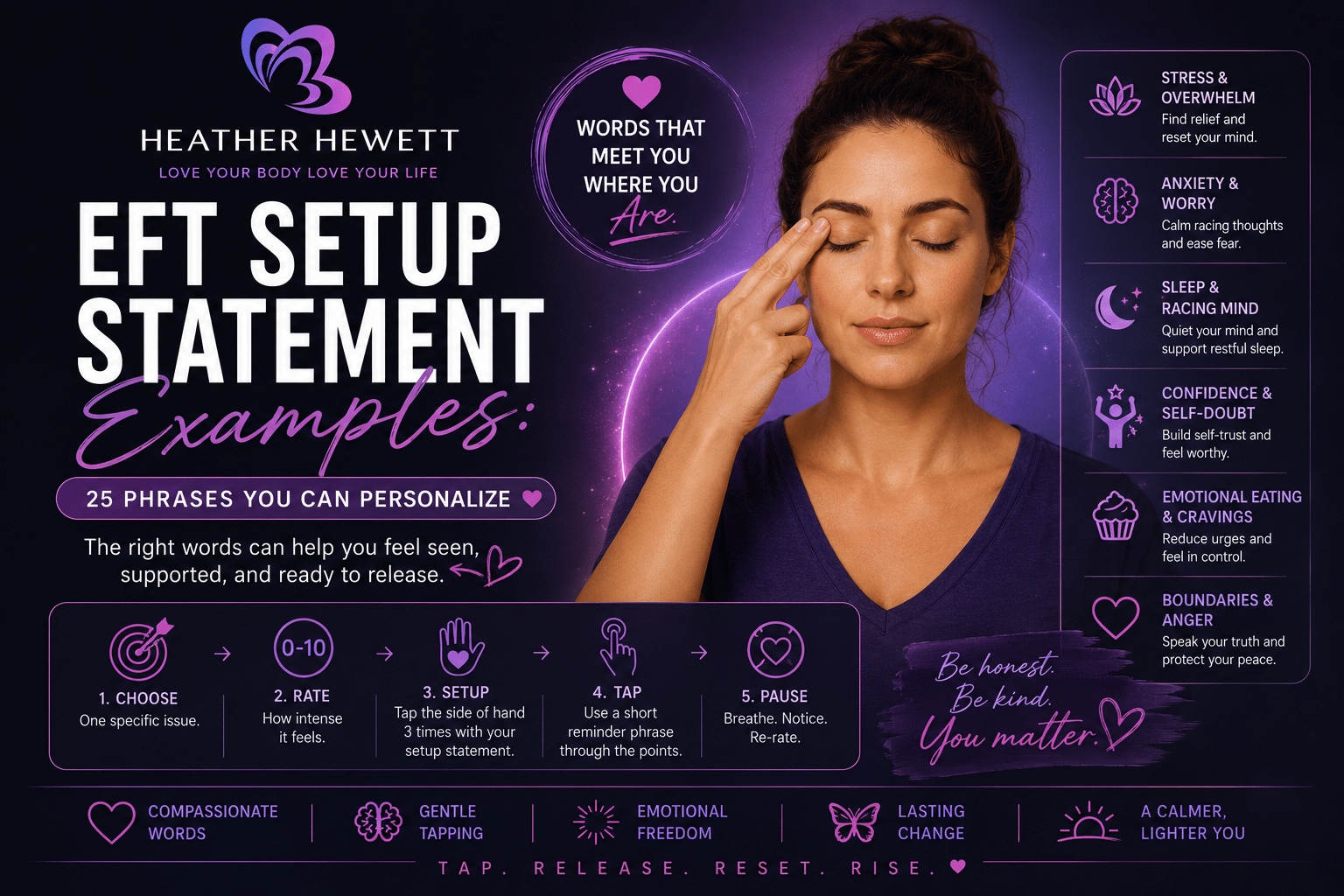
EFT Setup Statement Examples: 25 Phrases You Can Personalize

An EFT setup statement is a phrase you say while tapping the side-of-hand point before moving through the rest of the EFT tapping sequence. It usually names a specific emotion, thought, body sensation, or situation that feels difficult, then adds a compassionate or accepting statement. The wording can be personalized

Read More »
EFT tapping points

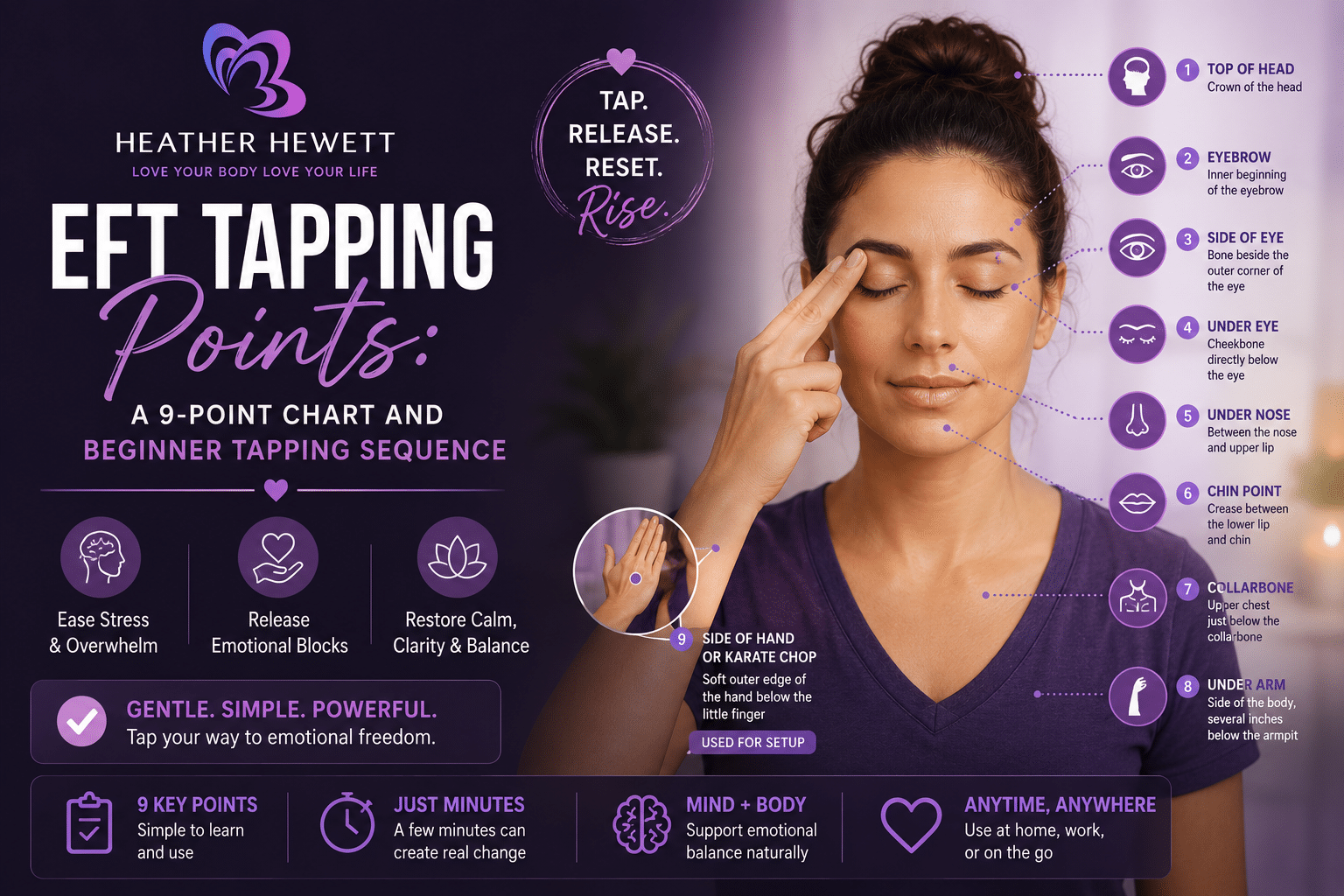
EFT Tapping Points: A 9-Point Chart and Beginner Tapping Sequence

EFT tapping points are nine commonly used locations on the hand, head, face, and upper body that you tap gently while focusing on a current feeling, thought, craving, or stressful situation. The Side of Hand, also called the Karate Chop point, is commonly used for the setup statement. The remaining

Read More »
EFT for Cravings

Can EFT Help Cravings? Evidence, Neuroscience, and Practical Application

Emotional Freedom Techniques (EFT) is a structured mind-body intervention that combines cognitive focus with somatic stimulation through tapping on specific acupressure points. It is commonly used for emotional regulation, stress reduction, and behavioral habit management. So, can EFT help cravings? EFT may help reduce cravings indirectly by lowering stress activation,

Read More »

Get instant access to free resources and helpful insights—delivered straight to your mail inbox.

Subscription Form