
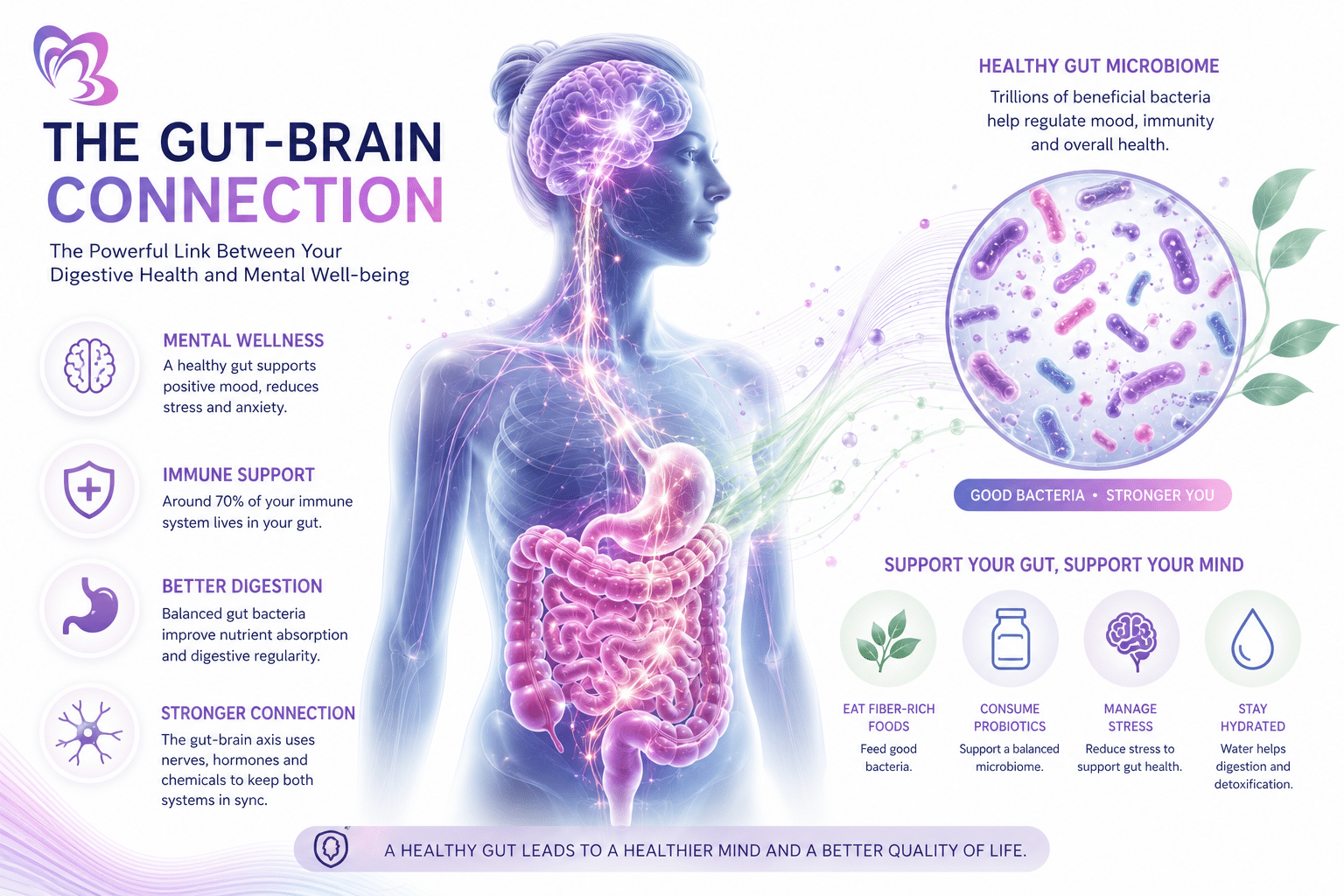
Anxiety does not always begin in the mind alone. For many people, it shows up in the body first as bloating before a stressful event, stomach pain during periods of overwhelm, nausea before public speaking, or digestive discomfort that seems to worsen during emotionally difficult times.
Researchers now understand that the digestive system and the brain are deeply connected through something called the gut-brain axis. This communication network links the gut, nervous system, immune system, hormones, and gut bacteria in ways that can influence mood, stress levels, and even anxiety symptoms.
In recent years, institutions like Harvard Medical School, Cleveland Clinic, and Mayo Clinic have highlighted growing evidence connecting gut health and mental health. Scientists are exploring how inflammation, serotonin production, microbiome imbalance, and chronic stress may contribute to anxiety disorders and digestive symptoms alike.
This article explains the gut health and anxiety connection in simple, evidence-based language. You’ll learn:
- What the gut-brain axis is
- How gut bacteria may influence anxiety
- Symptoms linked to poor gut health
- What research currently shows
- Practical ways to support both digestive and mental wellness naturally
Key Takeaways
| Topic | Key Insight |
|---|---|
| Gut-brain axis | The gut and brain constantly communicate through nerves, hormones, and immune signals |
| Serotonin | About 90% of serotonin is produced in the gut |
| Anxiety and digestion | Stress can worsen digestive symptoms, and gut issues may influence anxiety |
| Microbiome | An imbalance in gut bacteria may contribute to inflammation and mood changes |
| Helpful habits | Fiber-rich foods, sleep, exercise, and stress management may support gut and mental health |
| Important note | Gut health support is not a replacement for professional mental health care |
What Is the Gut-Brain Connection?
The gut-brain connection refers to the communication network between the digestive system and the brain. This system, called the gut-brain axis, allows the gut and central nervous system to exchange signals through nerves, hormones, immune pathways, and gut bacteria.
The gut-brain axis is a two-way communication system. That means your brain can affect digestion, and your gut can influence mood, stress responses, and mental wellness.
For example:
- Stress may trigger stomach cramps or diarrhea
- Digestive inflammation may affect mood regulation
- Changes in gut bacteria may influence neurotransmitters linked to anxiety
One of the most important players in this system is the vagus nerve. This large nerve acts like a communication highway between the gut and brain.
The gut microbiome also plays a major role. The microbiome refers to trillions of bacteria, fungi, and microorganisms living in the digestive tract. These microbes help regulate:
- Digestion
- Immune function
- Inflammation
- Neurotransmitter production
- Stress responses
Scientists sometimes call the gut the “second brain” because the digestive tract contains its own nervous system, known as the enteric nervous system.
How Gut Health Can Affect Anxiety
Gut health may influence anxiety through serotonin production, inflammation, stress hormones, microbiome balance, and nervous system communication.
The relationship between microbiome and anxiety is complex, but several biological mechanisms appear important.
1. Serotonin Production in the Gut
Serotonin is a neurotransmitter associated with mood, emotional balance, and well-being.
Interestingly, much of the body’s serotonin is produced in the gut rather than the brain.
The gut microbiota may influence:
- Serotonin signaling
- Neurotransmitter activity
- Mood regulation
- Stress responses
While gut-produced serotonin does not directly enter the brain, it still affects the nervous system and overall body function.
2. Inflammation and Anxiety
Chronic inflammation may affect both digestive health and mental health.
When gut bacteria become imbalanced, a condition called dysbiosis, the intestinal barrier may become disrupted. Some researchers refer to this as increased intestinal permeability or “leaky gut.”
Potential effects may include:
- Increased inflammatory signaling
- Immune system activation
- Fatigue
- Brain fog
- Mood changes
Inflammation has been linked in some studies to anxiety and depression symptoms.
However, researchers are still studying exactly how strong this connection is.
3. Cortisol and Stress Hormones
Chronic stress affects digestion in several ways.
High cortisol levels may contribute to:
- Stomach discomfort
- Changes in appetite
- IBS flare-ups
- Altered gut bacteria
- Increased inflammation
At the same time, digestive problems may increase stress and anxiety, creating a cycle that becomes difficult to break.
This is one reason digestive health and stress are often closely linked.
4. The Vagus Nerve Connection
The vagus nerve helps regulate communication between the gut and brain.
Research suggests the vagus nerve may influence:
- Stress responses
- Heart rate
- Digestion
- Emotional regulation
Healthy gut bacteria may support vagal signaling, while chronic stress may impair it.
5. Gut Bacteria Imbalance
An unhealthy microbiome may contribute to:
- Digestive symptoms
- Inflammation
- Stress sensitivity
- Mood disturbances
Factors that may negatively affect gut bacteria include:
- Poor diet
- Lack of sleep
- Chronic stress
- Frequent antibiotic use
- Excess ultra-processed foods
Signs Your Gut Health May Be Affecting Mental Health
Digestive symptoms like bloating, IBS, fatigue, food sensitivities, and brain fog sometimes occur alongside anxiety and chronic stress.
Not everyone with anxiety has gut issues, and not everyone with digestive symptoms has mental health concerns. Still, the overlap is common.
Common Symptoms Linked to Gut Health and Anxiety
| Digestive Symptoms | Mental & Physical Symptoms |
|---|---|
| Bloating | Anxiety |
| Constipation | Brain fog |
| Diarrhea | Fatigue |
| IBS symptoms | Irritability |
| Food sensitivities | Poor concentration |
| Stomach discomfort | Sleep issues |
| Acid reflux | Stress sensitivity |
IBS and Anxiety
Irritable bowel syndrome is one of the most studied examples of the gut-brain connection.
People with IBS often experience:
- Anxiety
- Stress-related symptom flare-ups
- Digestive pain
- Changes in bowel habits
Stress does not “cause” IBS alone, but it may worsen symptoms significantly.
Brain Fog and Digestive Health
Some people with microbiota imbalance report:
- Trouble concentrating
- Low energy
- Mental fatigue
- Mood fluctuations
Research is ongoing, but inflammation and nervous system signaling may play a role.
Scientific Research on Gut Health and Anxiety
Research suggests the gut microbiome may influence anxiety, but scientists are still learning how strong and consistent the connection is.
Over the past decade, interest in psychobiotics and the microbiome has increased rapidly.
Psychobiotics are probiotics or beneficial bacteria that may positively affect mental health through the gut-brain axis.
What Research Has Found
Several studies suggest:
- People with anxiety may have different gut bacteria patterns
- Certain probiotics may modestly reduce stress or anxiety symptoms
- Chronic stress may alter microbiome composition
- Inflammation may influence mood regulation
Animal studies have shown particularly strong gut-brain interactions. Human studies are promising but still developing.
Research Limitations
It is important to stay balanced and realistic.
Current limitations include:
- Small study sizes
- Differences between probiotic strains
- Varying study quality
- Difficulty proving direct cause and effect
Gut health alone is unlikely to fully explain anxiety disorders.
Mental health is influenced by many factors, including:
- Genetics
- Trauma
- Sleep
- Lifestyle
- Social support
- Hormones
- Medical conditions
Expert Insight
Major medical organizations increasingly recognize the gut-brain connection, but they also caution against exaggerated claims.
There is currently no single probiotic, diet, or supplement proven to “cure” anxiety.
Evidence supports a holistic approach that combines:
- Nutrition
- Stress management
- Sleep
- Physical activity
- Professional mental health support when needed
Myth vs Fact: Gut Health and Anxiety
| Myth | Fact |
|---|---|
| Anxiety is only psychological | Anxiety can involve both brain and body systems |
| Gut problems are always caused by diet | Stress and nervous system activity can also affect digestion |
| Probiotics cure anxiety | Research is promising but still limited |
| One food fixes gut health | Gut health depends on overall lifestyle patterns |
| Everyone needs supplements | Many people benefit first from basic nutrition and lifestyle habits |
Best Foods for Gut Health and Anxiety
Foods that support gut health and mental wellness include fermented foods, high-fiber foods, omega-3 sources, prebiotics, and anti-inflammatory ingredients.
Fermented Foods for Mental Health
Fermented foods contain beneficial bacteria that may support microbiome diversity.
Examples include:
- Yogurt
- Kimchi
- Kefir
- Sauerkraut
- Miso
Choose products with live active cultures when possible.
High-Fiber Foods
Fiber helps nourish beneficial gut bacteria.
Good sources include:
- Oats
- Beans
- Lentils
- Apples
- Berries
- Vegetables
- Chia seeds
Prebiotic fibers are especially helpful because they feed healthy gut microbes.
Omega-3 Foods
Omega-3 fatty acids may support brain and immune health.
Sources include:
- Salmon
- Sardines
- Walnuts
- Flaxseeds
Anti-Inflammatory Foods
Foods that may help reduce inflammation include:
- Leafy greens
- Olive oil
- Berries
- Nuts
- Turmeric
- Green tea
Hydration Matters
Even mild dehydration may affect:
- Digestion
- Energy levels
- Mood
- Cognitive function
Aim for consistent hydration throughout the day.
Can Probiotics Help Anxiety?
Some probiotics may help reduce stress and mild anxiety symptoms, but evidence is still emerging, and results vary between individuals.
Certain probiotic strains are being studied for mental wellness support.
Researchers are especially interested in:
- Lactobacillus strains
- Bifidobacterium strains
- Psychobiotics
Some studies show modest improvements in:
- Stress levels
- Mood
- Sleep quality
- Digestive symptoms
However, probiotics are not a replacement for therapy, medication, or medical care when needed.
Realistic Expectations for Probiotics
Probiotics may work best when combined with:
- Healthy eating
- Stress reduction
- Sleep support
- Exercise
- Medical guidance
Not every probiotic product has a strong scientific backing.
Quality, strain type, and dosage matter.
Lifestyle Habits That Improve Gut and Mental Health
Sleep, movement, stress management, hydration, and reducing ultra-processed foods may support both gut and mental wellness.
1. Prioritize Sleep
Poor sleep may negatively affect:
- Cortisol regulation
- Gut bacteria
- Mood
- Inflammation
Aim for consistent sleep schedules whenever possible.
2. Exercise Regularly
Physical activity may support:
- Stress reduction
- Digestive function
- Microbiome diversity
- Mood regulation
Even walking can help.
3. Manage Chronic Stress
Chronic stress and digestion are closely linked.
Helpful stress-management strategies include:
- Meditation
- Deep breathing
- Therapy
- Journaling
- Time outdoors
- Social connection
4. Reduce Ultra-Processed Foods
Highly processed diets may negatively affect microbiome balance and inflammation.
Focus more on:
- Whole foods
- Fruits and vegetables
- Fiber-rich meals
- Lean proteins
- Healthy fats
5. Stay Consistent
Gut health improvements usually happen gradually, not overnight.
Small habits practiced consistently often matter more than extreme diets.
When to Talk to a Doctor
You should consider professional medical guidance if you experience:
- Severe anxiety symptoms
- Panic attacks
- Ongoing digestive pain
- Blood in stool
- Unexplained weight loss
- Persistent diarrhea
- Severe depression
- Symptoms affecting daily life
A healthcare professional can help rule out underlying conditions and recommend appropriate treatment.
Mental health concerns deserve real support, not self-blame.
Conclusion
The gut health and anxiety connection is real, complex, and increasingly supported by scientific research.
The gut-brain axis allows constant communication between the digestive system and the nervous system. Factors like inflammation, microbiome imbalance, serotonin signaling, chronic stress, and vagus nerve activity may all influence mental wellness.
At the same time, it is important to avoid oversimplified claims. Gut health alone does not explain all anxiety, and there is no single food or supplement that cures mental health conditions.
Still, many people may benefit from supporting both digestive and emotional wellness through:
- Balanced nutrition
- Fiber-rich foods
- Fermented foods
- Sleep
- Exercise
- Stress management
- Professional care when needed
Small, sustainable lifestyle changes can make a meaningful difference over time.
FAQs
Can poor gut health cause anxiety?
Yes, poor gut health may contribute to anxiety symptoms. Imbalances in gut bacteria, inflammation, and stress hormone changes can affect the gut-brain axis and influence mood and emotional regulation.
What are the signs of unhealthy gut health?
Common signs include bloating, constipation, diarrhea, stomach discomfort, brain fog, fatigue, and food sensitivities. Chronic digestive symptoms may also be linked to stress and anxiety.
Do probiotics help with anxiety?
Some probiotics may help reduce mild stress and anxiety symptoms by supporting the gut microbiome. However, results vary, and probiotics are not a replacement for professional mental health treatment.
How long does it take to improve gut health?
Some people notice digestive improvements within a few days or weeks, but long-term gut health changes usually take several months of consistent healthy habits.
What foods improve gut health and mental wellness?
Foods that support gut and mental health include yogurt, kefir, kimchi, fruits, vegetables, whole grains, beans, and omega-3-rich foods like salmon and walnuts.
Is anxiety linked to IBS?
Yes, anxiety and IBS are closely connected through the gut-brain axis. Stress can worsen IBS symptoms, while ongoing digestive discomfort may increase anxiety levels.
What is the gut-brain axis?
The gut-brain axis is the communication network between the digestive system and the brain. It connects the gut and nervous system through hormones, nerves, and gut bacteria.
Can stress damage gut health?
Chronic stress may negatively affect digestion, gut bacteria balance, and inflammation levels. This can contribute to bloating, IBS symptoms, and stomach discomfort.
What is dysbiosis?
Dysbiosis is an imbalance of gut bacteria in the microbiome. It may contribute to digestive issues, inflammation, and changes in mood or stress responses.
Are fermented foods good for anxiety?
Fermented foods may support gut bacteria diversity, which can positively affect the gut-brain axis. Foods like yogurt, kefir, and kimchi are commonly recommended for gut health support.