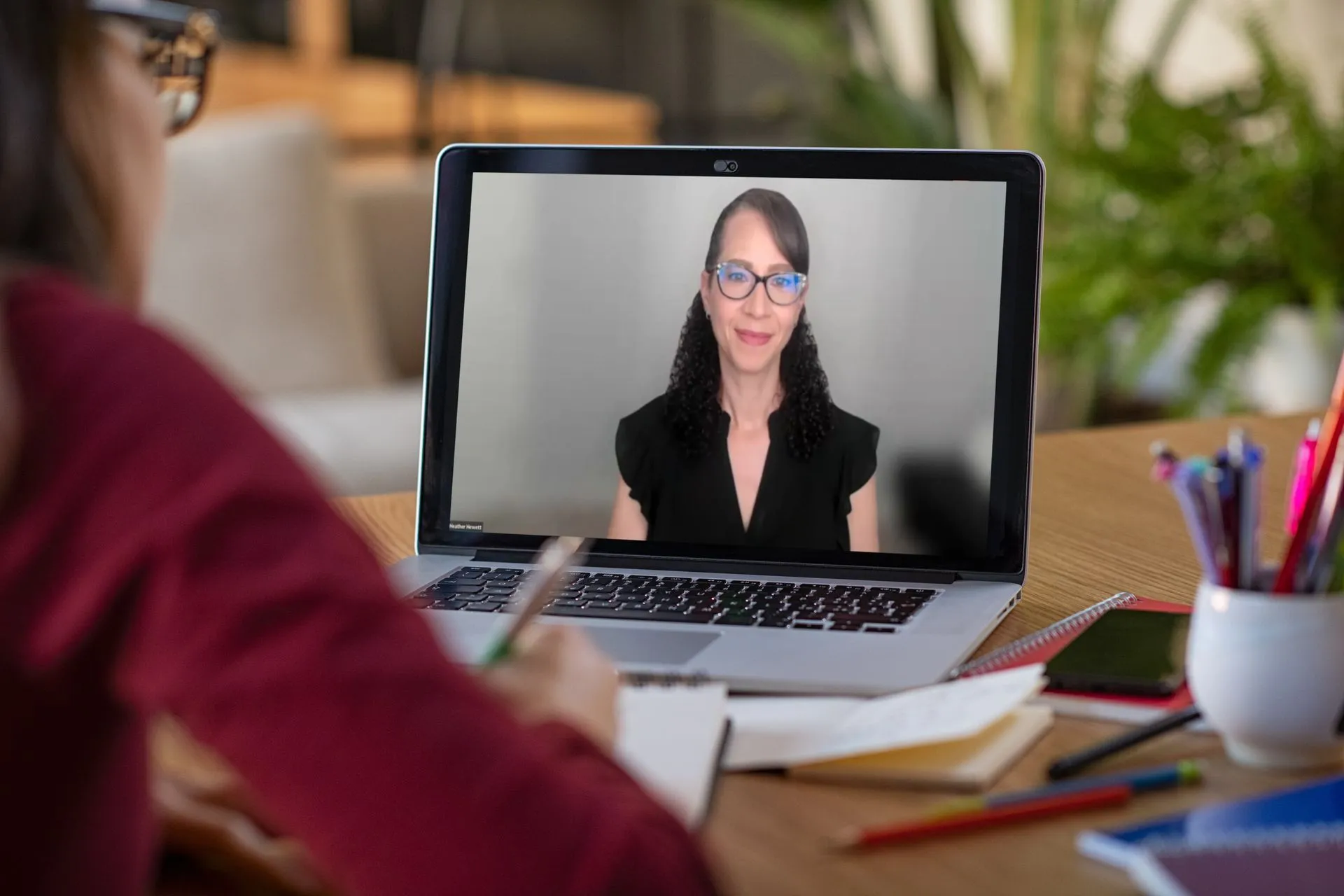
Personal health coaching can help you achieve your wellness goals by giving you structure, accountability, and personalized support for real-life habit change. Instead of following a generic plan, personal health coaching focuses on your body, lifestyle, stress level, eating habits, routines, challenges, and long-term goals.
Many people know what they “should” do for their health, but struggle to stay consistent. That is where coaching can help. A coach can help you clarify your goals, break them into realistic steps, identify what keeps getting in the way, and build a plan you can actually maintain.
In 2026, wellness is not just about eating better or exercising more. It is also about stress management, sleep, emotional health, nervous system support, digestion, energy, and creating habits that fit your life.
This article explains what personal health coaching is, how it works, who it may help, and how to get the most from the coaching process without overcomplicating your wellness journey.
Medical note: This article is for educational and wellness purposes only. Personal health coaching does not replace medical care, diagnosis, therapy, or treatment. If you have a medical condition, eating disorder symptoms, severe anxiety, depression, trauma symptoms, or major health concerns, speak with a qualified healthcare provider.
What Is Personal Health Coaching?
Personal health coaching is a supportive process that helps you set health goals, build sustainable habits, and make lifestyle changes with guidance and accountability.
Unlike generic health advice, personal coaching is individualized. It looks at your current lifestyle, goals, barriers, motivation, and daily routine.
A personal health coach may help you with:
Building healthier habits
Improving consistency
Setting realistic goals
Supporting nutrition changes
Managing stress more effectively
Improving sleep routines
Increasing body awareness
Creating a balanced routine
Staying accountable over time
Understanding what keeps you stuck
Mayo Clinic describes health and wellness coaching as a partnership that helps individuals take a leading role in their own health and well-being in a way that fits their values, preferences, and life context. You can read more from Mayo Clinic on the benefits of health and wellness coaching.
This is why personal health coaching is not about handing someone a rigid plan. It is about helping them build change in a way that feels realistic and sustainable.
Why Personal Health Coaching Matters in 2026
In 2026, many people are overwhelmed by health information. There are endless diets, apps, wellness trends, supplements, routines, and advice online. But more information does not always create better health.
Many people struggle because they do not need another complicated plan. They need clarity, consistency, support, and a realistic way to apply healthy habits to daily life.
Personal health coaching matters because it can help bridge the gap between knowing what to do and actually doing it consistently.
A coach may help you answer questions like:
What goal should I focus on first?
Why do I keep losing motivation?
How do I make healthy habits fit my real life?
What is stopping me from staying consistent?
How can I improve my routines without feeling overwhelmed?
How do I support my health without becoming obsessive?
The CDC notes that individual behavior-change strategies can help people build health habits by teaching skills such as goal-setting and problem-solving, and that these strategies are often tailored to a person’s interests and needs. You can read more in the CDC guide on individual behavior-change supports.
This is one of the main strengths of coaching. It helps turn broad health advice into practical action.
Personal Health Coaching vs General Wellness Advice
General wellness advice can be helpful, but it is often too broad.
You may hear advice like:
Eat healthier.
Move more.
Drink more water.
Sleep better.
Manage stress.
Be consistent.
These suggestions may be true, but they do not explain how to make them work in your life.
Personal health coaching is different because it asks:
What is realistic for you right now?
What habit would make the biggest difference first?
What barriers keep showing up?
What support do you need?
What pace feels sustainable?
What is your body telling you?
For example, one person may need nutrition support. Another may need help with stress patterns. Someone else may need accountability, emotional awareness, or a simpler routine.
That personalized approach is what makes coaching useful.
If you want to understand the broader value of coaching, this guide on health coaching benefits explains how coaching can support goal-setting, accountability, and habit change.
Who Can Benefit From Personal Health Coaching?
Personal health coaching may be helpful if you feel stuck, inconsistent, overwhelmed, or unsure where to begin.
It may support people who want to:
Improve daily energy
Build healthier eating habits
Reduce stress-related patterns
Create a more balanced routine
Improve consistency with habits
Feel more accountable
Support digestion or gut health habits
Build a better relationship with food
Understand emotional eating patterns
Improve sleep and recovery routines
Set realistic wellness goals
Stop starting over every few weeks
Personal health coaching may also help busy professionals, parents, caregivers, entrepreneurs, or anyone who feels like their own wellness keeps getting pushed to the bottom of the list.
The goal is not perfection. The goal is sustainable progress.
What Can a Personal Health Coach Help With?
A personal health coach can support different areas of wellness depending on your goals and needs.
Healthy Habit Building
Coaching can help you turn vague goals into realistic habits.
Instead of saying, “I need to be healthier,” you may work on:
Eating breakfast consistently
Walking three times per week
Creating a calming evening routine
Drinking more water
Planning simple meals
Taking breaks during the day
Small habits are often more powerful than extreme plans.
Nutrition and Food Habits
Personalized nutrition support can help you understand what your body needs without relying on strict dieting.
This may include:
Balanced meal planning
Reducing meal skipping
Understanding cravings
Improving digestion habits
Supporting blood sugar balance
Building consistency with meals
Reducing all-or-nothing eating patterns
For a deeper explanation of nutrition-focused support, this article on what a holistic nutritionist does explains how nutrition can be connected to stress, sleep, digestion, energy, and lifestyle habits.
Stress and Emotional Wellness
Many wellness goals fail because stress is not addressed.
Stress can affect:
Sleep
Cravings
Digestion
Energy
Motivation
Mood
Consistency
Food choices
A personal health coach may help you notice stress patterns and build practical tools to support emotional regulation and daily recovery.
Accountability and Motivation
Accountability is one of the biggest reasons people seek coaching.
A coach can help you:
Track progress
Reflect on setbacks
Stay focused
Adjust your plan
Celebrate small wins
Return to your goals after difficult weeks
This does not mean someone is forcing you. Good accountability should feel supportive, not shaming.
Lifestyle Balance
Wellness is not just about one habit. It is the way your routines work together.
Personal health coaching may help you look at:
Food
Sleep
Stress
Movement
Hydration
Boundaries
Emotional patterns
Daily routines
Time management
Recovery
The goal is to create a healthier rhythm that supports your real life.
How Personal Health Coaching Works Step by Step
The coaching process may look different depending on the coach and program, but most effective coaching follows a simple structure.
Step 1: Clarify Your Wellness Goals
The first step is understanding what you want to change and why it matters.
Your goals may include:
More energy
Better eating habits
Less stress
Improved digestion
Better sleep
More movement
Less emotional eating
A more balanced routine
A good coach helps you turn a broad goal into something specific and realistic.
For example:
Instead of “I want to eat healthier,” the goal may become “I want to eat a balanced lunch at least four days per week.”
Instead of “I need to manage stress,” the goal may become “I want to take a 10-minute reset break after work before starting evening responsibilities.”
Step 2: Identify What Gets in the Way
Most people already know some healthy habits they want. The harder part is understanding why those habits do not stick.
Common barriers include:
Low energy
Poor sleep
Stress
Overcommitment
Lack of planning
Emotional eating
All-or-nothing thinking
Family or work demands
Unrealistic expectations
Trying to change too much at once
Coaching helps you identify the real obstacle so your plan becomes more realistic.
Step 3: Build a Simple Action Plan
Your coach may help you choose one or two habits to focus on first.
This is important because trying to change everything at once often leads to burnout.
A simple plan may include:
One nutrition habit
One stress-support habit
One movement habit
One sleep habit
One weekly check-in
The goal is steady progress, not a complete life overhaul.
Step 4: Track Progress Without Obsession
Tracking can help you notice what is working.
You may track:
Meals
Mood
Sleep
Water intake
Movement
Energy
Cravings
Stress levels
Habit consistency
Tracking should not become a punishment. It should help you learn from your patterns.
Step 5: Adjust the Plan as Life Changes
Life changes, so your plan should change too.
A coaching plan may need adjustment if:
Work becomes busier
Sleep gets worse
Stress increases
A habit feels unrealistic
A health goal changes
Your body responds differently than expected
Good coaching is flexible. The plan should support your life, not create more pressure.
What Makes Personal Health Coaching Effective?
Personal health coaching is most effective when it is practical, consistent, and personalized.
A 2023 systematic review published in PMC found that health and wellness coaching may have benefits in chronic condition care, including quality of life and self-efficacy outcomes, though results can vary depending on the population and intervention. You can read the review on health and wellness coaching effectiveness.
Coaching tends to work best when it includes:
Clear goals
Realistic habits
Regular check-ins
Personalized support
Problem-solving
Accountability
Flexibility
Self-reflection
Encouragement
Long-term habit focus
The strongest coaching plans do not rely on motivation alone. They build systems that support consistency even when motivation changes.
Personal Health Coaching and Nutrition
Nutrition is one of the most common areas people want help with. But nutrition support should not feel like punishment.
Personalized nutrition coaching may help you:
Eat more consistently
Build balanced meals
Understand hunger and fullness
Reduce all-or-nothing thinking
Improve meal planning
Support digestion
Address cravings
Build confidence with food
Stop relying on extreme dieting
This does not mean you need a perfect meal plan. It means you may need a realistic way to nourish your body consistently.
If nutrition is one of your main wellness goals, nutritional counseling may help you build a more supportive approach to food, digestion, cravings, and long-term habits.
Personal Health Coaching and Stress Support
Stress is one of the biggest reasons health habits fall apart.
When stress is high, it can become harder to:
Sleep well
Eat regularly
Plan meals
Move your body
Stay motivated
Make balanced choices
Regulate emotions
Follow through on goals
This is why health coaching should not ignore stress.
A wellness plan that does not address stress may look good on paper but fail in real life. Personal coaching can help you notice how stress affects your choices and create simple recovery habits that support consistency.
Common Mistakes People Make With Wellness Goals
Many people do not fail because they are lazy. They struggle because the plan is too unrealistic.
Mistake 1: Trying to Change Everything at Once
Changing five habits at the same time can feel exciting at first, but it often becomes overwhelming.
Better approach: choose one or two habits and build consistency first.
Mistake 2: Setting Goals That Are Too Vague
Goals like “get healthy” or “eat better” are hard to measure.
Better approach: make the goal specific.
For example:
Eat protein at breakfast four days per week.
Walk for 15 minutes after lunch three days per week.
Drink water before coffee each morning.
Mistake 3: Ignoring Stress and Sleep
Poor sleep and high stress can make health goals harder.
Better approach: include recovery habits as part of your wellness plan.
Mistake 4: Expecting Fast Results
Sustainable health change takes time. Fast results are not always lasting results.
Better approach: focus on progress you can maintain.
Mistake 5: Using Shame as Motivation
Shame may create short-term pressure, but it rarely supports long-term wellness.
Better approach: use curiosity, self-awareness, and supportive accountability.
Tools That Can Support Personal Health Coaching
Tools can help, but they should not replace self-awareness or professional guidance.
Useful tools may include:
A habit tracker
A food and mood journal
A sleep tracker
A walking app
A calendar reminder
A simple notebook
A meal planning template
A mindfulness app
A water bottle with markers
The best tool is the one you will actually use.
You do not need five apps to change your life. Sometimes a simple notebook and a weekly check-in are enough.
How to Choose the Right Personal Health Coach
Choosing the right coach matters.
Look for someone who:
Explains their scope clearly
Does not promise unrealistic results
Respects your pace
Understands behavior change
Supports your goals without shame
Uses a personalized approach
Encourages medical care when needed
Considers food, stress, sleep, and lifestyle together
Be careful with anyone who guarantees quick results, pushes extreme diets, dismisses medical concerns, or makes you feel judged.
This overview of health coaching services may help you understand different types of support and how coaching can fit into a broader wellness plan.
When Personal Health Coaching May Not Be Enough
Personal health coaching can be helpful, but it is not the right support for every situation.
You may need medical or mental health care if you have:
Severe depression
Panic attacks
Eating disorder symptoms
Trauma symptoms
Unexplained weight changes
Severe digestive symptoms
Unmanaged medical conditions
Thoughts of self-harm
Symptoms that worsen over time
A responsible coach should know when to refer you to a doctor, therapist, dietitian, or other licensed professional.
What Results Can You Expect From Personal Health Coaching?
Results vary depending on your goals, consistency, health history, and support needs.
Some people notice early improvements in:
Clarity
Motivation
Meal consistency
Stress awareness
Daily routines
Accountability
Confidence
Longer-term changes may include:
More stable habits
Better energy
Improved relationship with food
Less all-or-nothing thinking
Better stress recovery
More confidence in self-care
A more realistic wellness routine
The goal is not perfection. The goal is progress that fits your life.
Final Thoughts
Personal health coaching can help you achieve your wellness goals in 2026 by turning broad intentions into realistic daily habits.
Instead of trying to change everything at once, coaching helps you focus on what matters most, build consistency, and adjust your plan as life changes.
A strong coaching process supports the whole person. That means nutrition, stress, sleep, routines, emotional patterns, motivation, and accountability all matter.
If you feel stuck with your wellness goals, the next step may not be another extreme plan. It may be a more personalized, supportive, and sustainable approach.
For nutrition-focused support, you can explore clinical nutrition coaching to see how personalized guidance may support food habits, digestion, energy, and long-term wellness.
FAQs
What is personal health coaching?
Personal health coaching is personalized support that helps you set wellness goals, build healthy habits, and stay accountable over time.
How can personal health coaching help me?
It can help you clarify goals, create realistic habits, track progress, manage setbacks, and build a healthier lifestyle.
Is personal health coaching the same as therapy?
No. Coaching focuses on goals, habits, and lifestyle support. Therapy treats mental health conditions and deeper clinical concerns.
What is personalized nutrition coaching?
Personalized nutrition coaching helps you build eating habits based on your goals, routine, preferences, and body needs.
How long does it take to see results?
Some people notice clarity and consistency within a few weeks. Long-term results usually take ongoing practice.
Do I need health coaching if I already know what to do?
You may benefit if you know what to do but struggle with consistency, motivation, planning, or accountability.
Can health coaching help with stress?
Yes. Many coaching plans include stress awareness, routine support, and practical recovery habits.
What should I look for in a health coach?
Look for clear scope, realistic guidance, respectful support, personalized planning, and no extreme promises.
Is health coaching only for weight loss?
No. Health coaching can support energy, nutrition, digestion, stress, sleep, emotional wellness, and long-term habits.
Is a health coach a medical provider?
Not usually. A health coach supports habits and wellness goals but does not diagnose, treat, or replace medical care.