
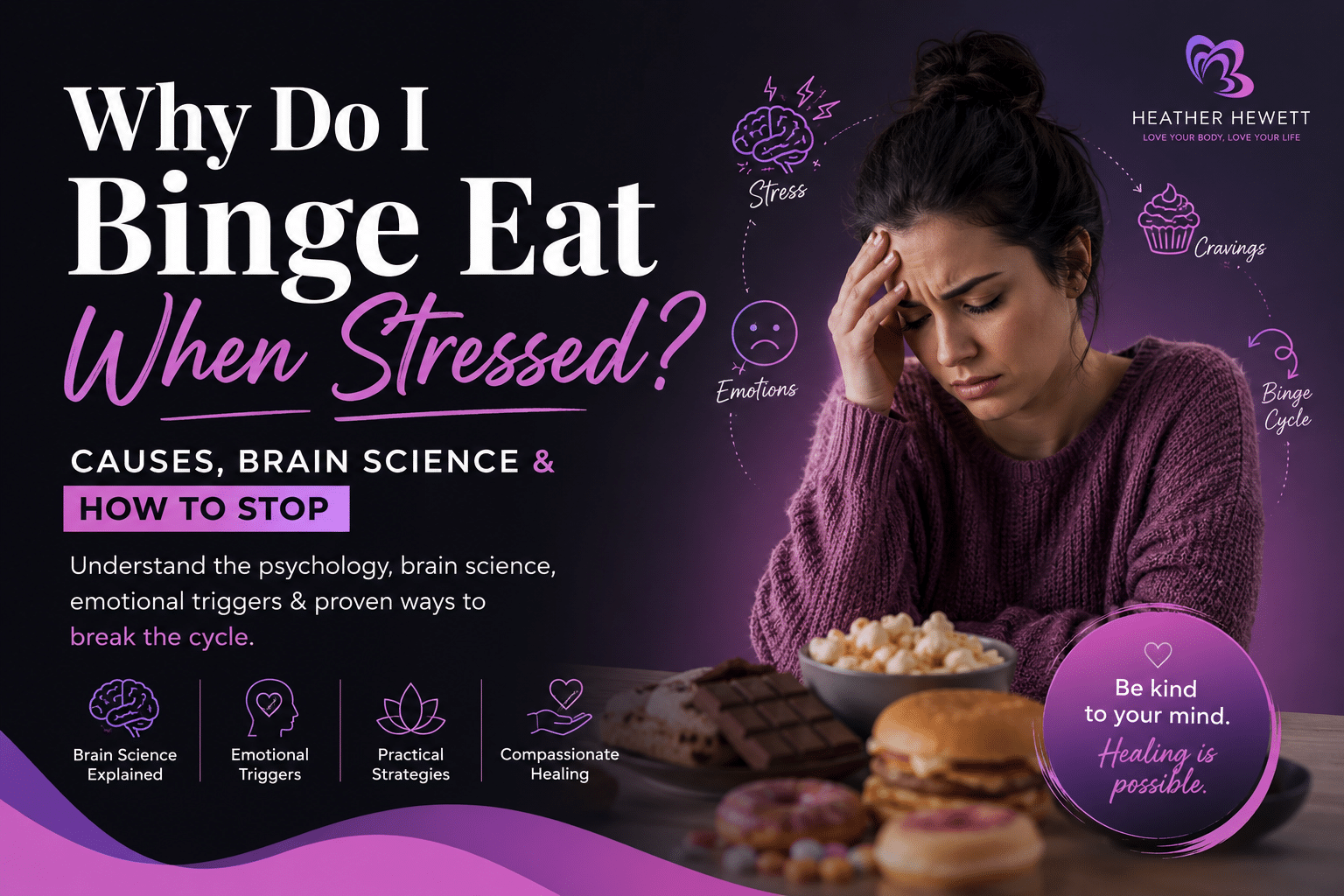
Stress can make people do things that feel confusing afterward, including eating far past fullness, craving sugar late at night, or feeling unable to stop once they start. If you’ve ever wondered, “Why do I binge eat when stressed?” you are far from alone.
If you’ve been asking yourself, “Why do I binge eat when stressed?” the answer usually involves a mix of brain chemistry, emotional overwhelm, and survival-based stress responses.
Stress binge eating is not simply about lacking willpower. In many cases, it’s connected to biology, brain chemistry, emotional regulation, and the body’s survival systems. When stress becomes overwhelming, food can temporarily feel calming, grounding, or emotionally comforting. Your brain may begin using eating as a coping strategy, especially during anxiety, burnout, loneliness, or emotional exhaustion.
The good news is that stress eating and binge eating can be understood, managed, and treated with compassionate support. Once you understand why stress affects appetite and cravings so intensely, it becomes easier to respond to yourself with less shame and more clarity.
Why Do I Binge Eat When Stressed?
Stress affects both the brain and body. When you’re overwhelmed, your nervous system shifts into survival mode, changing hormones, appetite signals, emotions, and impulse control.
Cortisol Increases Appetite
Cortisol is the body’s primary stress hormone. During periods of chronic stress, cortisol levels can remain elevated for long periods.
Higher cortisol levels are associated with:
- Increased appetite
- Stronger cravings for sugar and high-calorie foods
- Emotional eating urges
- Increased abdominal fat storage
- Greater impulsive eating behaviors
This is one reason stress and overeating are so closely connected. Your body interprets stress as a potential threat and tries to secure quick energy through food.
Dopamine Makes Comfort Foods Feel Rewarding
Foods high in sugar, fat, and refined carbohydrates activate dopamine pathways in the brain.
Dopamine is a neurotransmitter involved in:
- Reward
- Motivation
- Pleasure
- Reinforcement learning
When stress feels emotionally painful, comfort foods may temporarily create relief or emotional numbness. The brain remembers this effect and starts associating certain foods with safety or soothing.
Over time, this can strengthen stress binge eating patterns.
Emotional Regulation Becomes Harder Under Stress
Stress can reduce the brain’s ability to regulate emotions effectively.
When emotional overwhelm builds up, food may become:
- A distraction
- A coping mechanism
- A way to self-soothe
- A temporary escape from anxiety or sadness
This is why emotional eating often has less to do with physical hunger and more to do with emotional survival.
Your Brain Is Wired for Survival
The human brain evolved to seek high-energy foods during stressful conditions. Historically, this survival wiring helped humans conserve energy during danger or food scarcity.
Today, chronic psychological stress can activate the same biological systems even when no physical threat exists.
Your brain may respond to:
- Work stress
- Relationship conflict
- Financial anxiety
- Burnout
- Emotional trauma
In the same way, it once responded to survival threats.
Stress Disrupts Blood Sugar and Hunger Signals
Stress can also affect:
- Insulin sensitivity
- Blood sugar regulation
- Hunger hormones like ghrelin and leptin
When blood sugar fluctuates rapidly, cravings often intensify, especially for sugary or highly processed foods.
This helps explain why many people ask:
“Why do I crave sugar when stressed?”
The Nervous System Seeks Relief
When the nervous system is dysregulated, the body naturally searches for comfort and safety.
Eating can temporarily activate calming responses through:
- Sensory pleasure
- Familiarity
- Routine
- Emotional soothing
This doesn’t mean you are weak. It means your nervous system is trying to cope.
Quick Summary
Stress binge eating is often driven by:
- Cortisol and stress hormones
- Dopamine reward pathways
- Emotional overwhelm
- Nervous system dysregulation
- Blood sugar instability
- Learned coping patterns
The Difference Between Stress Eating and Binge Eating Disorder
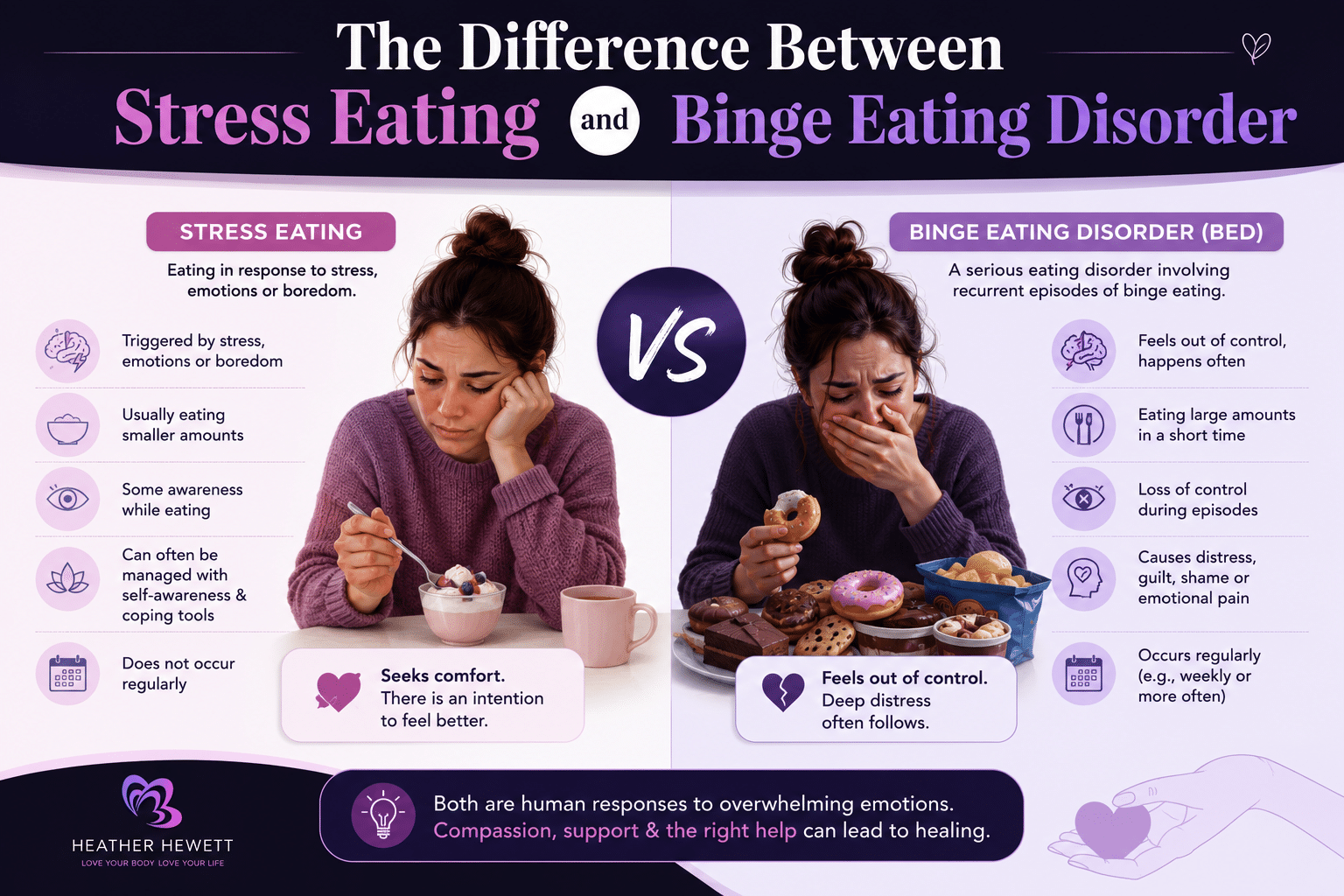
Many people use the terms emotional eating and binge eating interchangeably, but they are not always the same thing.
Understanding the difference can help reduce confusion and guide appropriate support.
Emotional Eating
Emotional eating involves eating in response to feelings rather than physical hunger.
Common triggers include:
- Stress
- Sadness
- Anxiety
- Loneliness
- Boredom
Emotional eating is extremely common and does not automatically mean someone has an eating disorder.
Stress Eating
Stress eating is a type of emotional eating specifically triggered by stress or nervous system overload.
It may involve:
- Craving comfort foods
- Eating mindlessly during stressful moments
- Increased snacking
- Eating to calm anxiety
Binge Eating
Binge eating involves consuming unusually large amounts of food while feeling a loss of control.
People often describe:
- Feeling unable to stop eating
- Eating rapidly
- Eating past physical fullness
- Feeling emotionally numb during the episode
What Is Binge Eating Disorder (BED)?
Binge Eating Disorder (BED) is a clinically recognized eating disorder listed in the DSM-5.
BED typically includes:
- Recurrent binge eating episodes
- Significant distress around eating
- Feeling out of control during binges
- Shame or guilt afterward
- Episodes occurring regularly over time
Unlike bulimia nervosa, BED does not involve regular compensatory behaviors such as purging.
When Professional Support May Help
Professional support may be important if:
- Binges feel frequent or uncontrollable
- Eating causes emotional distress
- Food dominates daily thoughts
- Shame cycles are worsening
- Anxiety or depression is increasing
Therapies such as Cognitive Behavioral Therapy (CBT) are strongly supported by research for binge eating psychology and emotional eating patterns
Common Emotional Triggers That Lead to Binge Eating
Stress binge eating usually has emotional roots beneath the surface. Recognizing your triggers can help interrupt automatic eating patterns.
Common binge eating triggers include:
Anxiety
Anxiety increases nervous system activation, making the brain seek fast relief through comfort eating.
Loneliness
Food can temporarily create feelings of comfort, connection, or emotional grounding.
Burnout
Mental exhaustion weakens emotional regulation and impulse control.
Shame
Ironically, shame about eating can trigger additional binge episodes.
Perfectionism
Rigid self-expectations often create emotional pressure that later erupts into compulsive eating.
Sleep Deprivation
Poor sleep increases:
- Cortisol
- Hunger hormones
- Sugar cravings
- Emotional reactivity
Restrictive Dieting
Extreme dieting can intensify binge eating triggers by increasing both physical and psychological deprivation.
Emotional Exhaustion
When people feel emotionally overwhelmed, food may become one of the few accessible coping tools available.
Quick Summary
Common stress binge eating triggers include:
- Anxiety
- Emotional overwhelm
- Restriction and dieting
- Loneliness
- Chronic stress
- Fatigue
- Shame cycles
- Burnout
Why Stress Makes You Crave Sugar and Comfort Foods
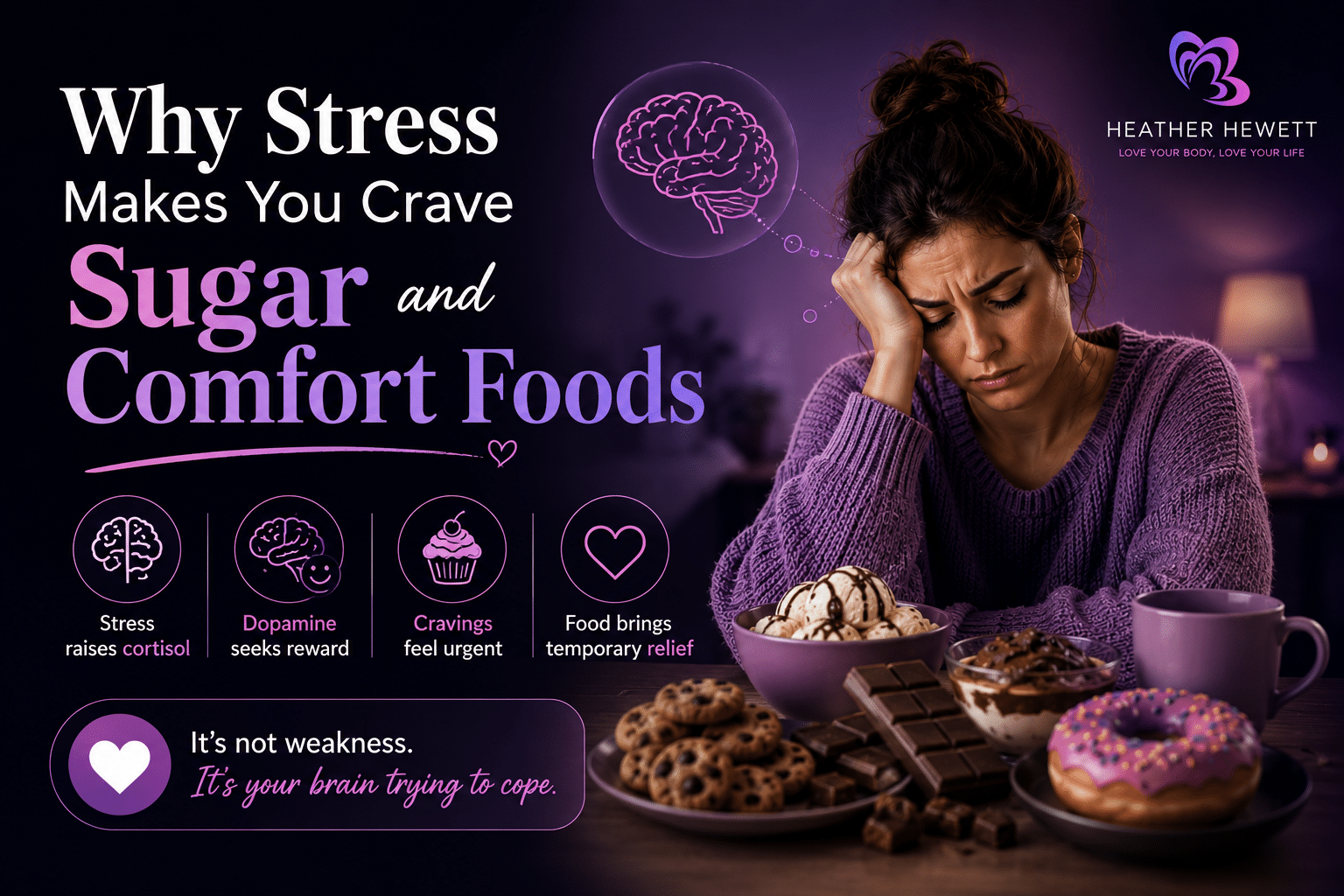
Stress cravings are not random. The brain and body are specifically drawn toward fast, rewarding foods during emotional strain.
Sugar Provides Quick Energy
During stress, the body wants rapid fuel. Sugary foods quickly raise blood glucose levels, temporarily boosting energy and alertness.
Dopamine Reinforces Cravings
Highly palatable foods activate dopamine release, creating temporary emotional relief.
The brain begins learning:
“Stress + food = comfort.”
Over time, this creates automatic habit loops.
Comfort Foods Feel Emotionally Familiar
Many comfort foods are associated with:
- Childhood memories
- Safety
- Celebration
- Relaxation
The emotional meaning attached to food can be powerful during stressful periods.
Stress Hormones Increase Cravings
Stress hormones and food cravings are closely linked.
Elevated cortisol may:
- Increase appetite
- Intensify cravings
- Reduce satisfaction signals
- Increase impulsive eating
Emotional Hunger Feels Urgent
Unlike physical hunger, emotional hunger often feels:
- Sudden
- Intense
- Specific
- Emotionally charged
People may crave:
- Ice cream
- Chips
- Bread
- Fast food
- Chocolate
- Sugary snacks
This type of hunger is often connected to emotional regulation rather than physical energy needs.
Why Stress Eating Often Gets Worse at Night
Many people notice that stress binge eating becomes stronger at night. This happens because emotional exhaustion, poor sleep, and mental overload build up throughout the day.
At night, the brain often looks for quick comfort and emotional relief through food. Stress hormones, low energy, loneliness, and reduced self-control can all increase cravings for sugar, chips, fast food, or late-night snacking.
Sleep deprivation may also increase cortisol and hunger hormones, making emotional eating urges feel more intense.
If stress eating mainly happens at night, it may be a sign that your nervous system is overwhelmed and struggling to regulate stress effectively.
Signs Stress Eating May Be Becoming Unhealthy
Stress eating can sometimes become emotionally and physically overwhelming. While occasional emotional eating is common, certain signs may suggest the pattern is becoming harder to manage.
Common warning signs include:
- Eating past physical fullness
- Feeling unable to stop eating
- Frequent guilt or shame after eating
- Hiding food or eating in secret
- Constant cravings during stress
- Using food to numb emotions
- Feeling emotionally disconnected while eating
Recognizing these signs early can help people seek support before stress eating becomes more severe.
How to Stop Binge Eating When Stressed?
Learning how to stop stress binge eating usually requires more than “trying harder.” Sustainable change happens when people address both emotional and biological factors.
1. Pause Before Reacting to Cravings
Creating even a small pause can help interrupt automatic eating cycles.
Try asking:
- What am I feeling right now?
- Am I physically hungry?
- What does my body actually need?
Even 60 seconds of awareness can reduce impulsive eating.
2. Practice Nervous System Regulation
Because stress binge eating is often linked to nervous system overload, calming the body matters.
Helpful techniques include:
- Deep breathing
- Walking
- Stretching
- Progressive muscle relaxation
- Cold water on the face
- Grounding exercises
These tools help the brain feel safer without immediately turning to food.
3. Avoid Restrictive Dieting
Restrictive eating often backfires.
When the body feels deprived, cravings and compulsive eating typically intensify. Balanced meals with protein, fiber, and healthy fats can stabilize blood sugar and reduce binge urges.
4. Improve Sleep Quality
Sleep deprivation significantly increases emotional eating risk.
Better sleep supports:
- Emotional regulation
- Hormonal balance
- Appetite control
- Stress resilience
Even small sleep improvements can reduce stress and overeating patterns.
5. Build Non-Food Coping Tools
Food may currently be serving an emotional purpose. Replacing it requires building alternative coping systems.
Examples include:
- Journaling
- Calling a trusted friend
- Listening to calming music
- Creative hobbies
- Therapy
- Gentle movement
- Meditation
The goal is not perfection. It’s increasing emotional support options.
6. Practice Mindful Eating
Mindful eating can reduce dissociation and automatic eating behaviors.
Try:
- Eating without screens
- Slowing down between bites
- Noticing fullness signals
- Observing emotions without judgment
Mindful eating is not about restriction; it’s about awareness and self-connection.
7. Consider Therapy or CBT
Cognitive Behavioral Therapy (CBT) can help identify:
- Emotional triggers
- Thought patterns
- Shame cycles
- Stress responses
- Behavioral habits
Therapy can be especially helpful for people struggling with recurrent binge eating episodes or emotional distress around food.
Quick Summary
To reduce stress binge eating:
- Regulate stress before cravings escalate
- Avoid extreme dieting
- Improve sleep
- Build emotional coping skills
- Practice mindful eating
- Seek support when needed
Best Foods That May Help Reduce Stress Cravings
Some foods may help stabilize blood sugar, reduce stress-related cravings, and support nervous system regulation.
Helpful options include:
- Protein-rich meals
- High-fiber foods
- Magnesium-rich foods like spinach and nuts
- Healthy fats
- Water and electrolyte balance
- Slow-digesting carbohydrates
Balanced meals can help reduce sudden energy crashes that often trigger emotional overeating or binge eating urges.
When to Seek Professional Help
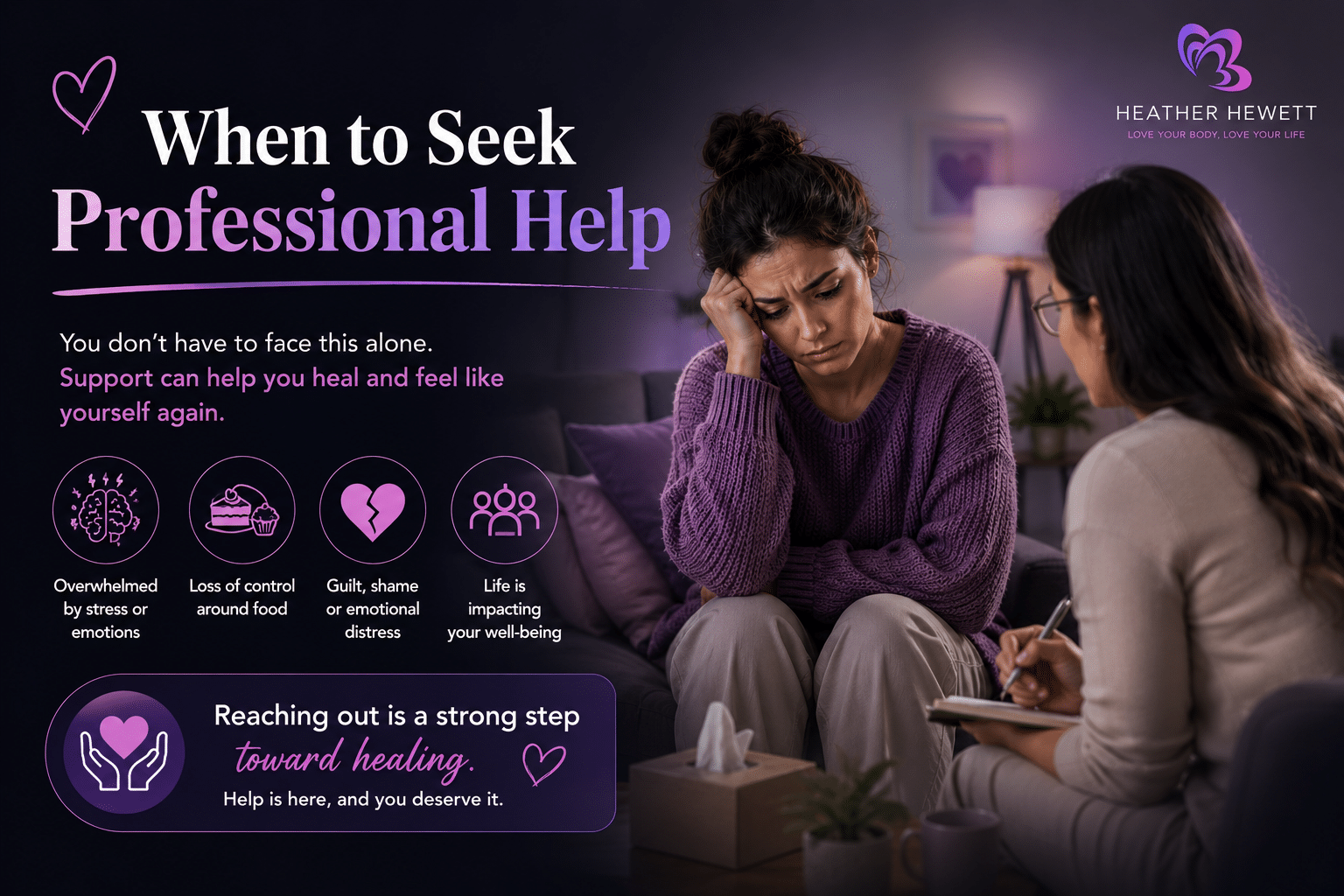
Sometimes stress eating develops into a more serious emotional or physical struggle.
Professional support may help if you experience:
- Frequent binge episodes
- Feeling out of control around food
- Intense guilt or shame after eating
- Anxiety or depression related to eating
- Physical discomfort from overeating
- Isolation because of eating habits
- Constant preoccupation with food
A licensed mental health professional, registered dietitian, or eating disorder specialist can provide personalized support.
Organizations such as the National Eating Disorders Association and guidance from the American Psychological Association can also help people better understand treatment options.
Seeking help is not a sign of failure. It is often an act of self-protection and healing.
Final Thoughts
If you binge eat when stressed, your body and brain are likely trying to cope with overwhelm, not sabotage you.
Stress binge eating is deeply connected to biology, emotions, nervous system regulation, and learned coping patterns. Understanding those connections can reduce shame and create space for healthier, more compassionate responses.
Healing usually begins with curiosity rather than self-criticism.
You do not need to “earn” support before asking for help. And you do not have to navigate emotional eating or binge eating alone.
FAQ
Why does stress make me binge eat?
Stress increases cortisol and activates the brain’s reward system, which can intensify cravings for comfort foods. Stress also makes emotional regulation harder, causing some people to use food as a coping mechanism.
Is binge eating caused by anxiety?
Anxiety can contribute to binge eating by increasing emotional distress and nervous system activation. Many people use eating to temporarily soothe anxious feelings or regain emotional comfort.
Why do I crave sugar when stressed?
Stress increases cortisol and energy demands in the body, making quick-energy foods like sugar more appealing. Sugary foods also activate dopamine pathways linked to reward and emotional relief.
Is stress eating the same as binge eating disorder?
No. Stress eating and emotional eating are common behaviors, while Binge Eating Disorder (BED) is a diagnosable mental health condition involving recurrent binge episodes and significant emotional distress.
How can I stop binge eating during stressful times?
Helpful strategies include nervous system regulation, mindful eating, improving sleep, avoiding restrictive dieting, building emotional coping tools, and seeking therapy if binge eating feels overwhelming or persistent.
Can cortisol cause overeating?
Yes. Elevated cortisol levels can increase appetite, cravings, and impulsive eating behaviors, particularly during chronic stress.
.