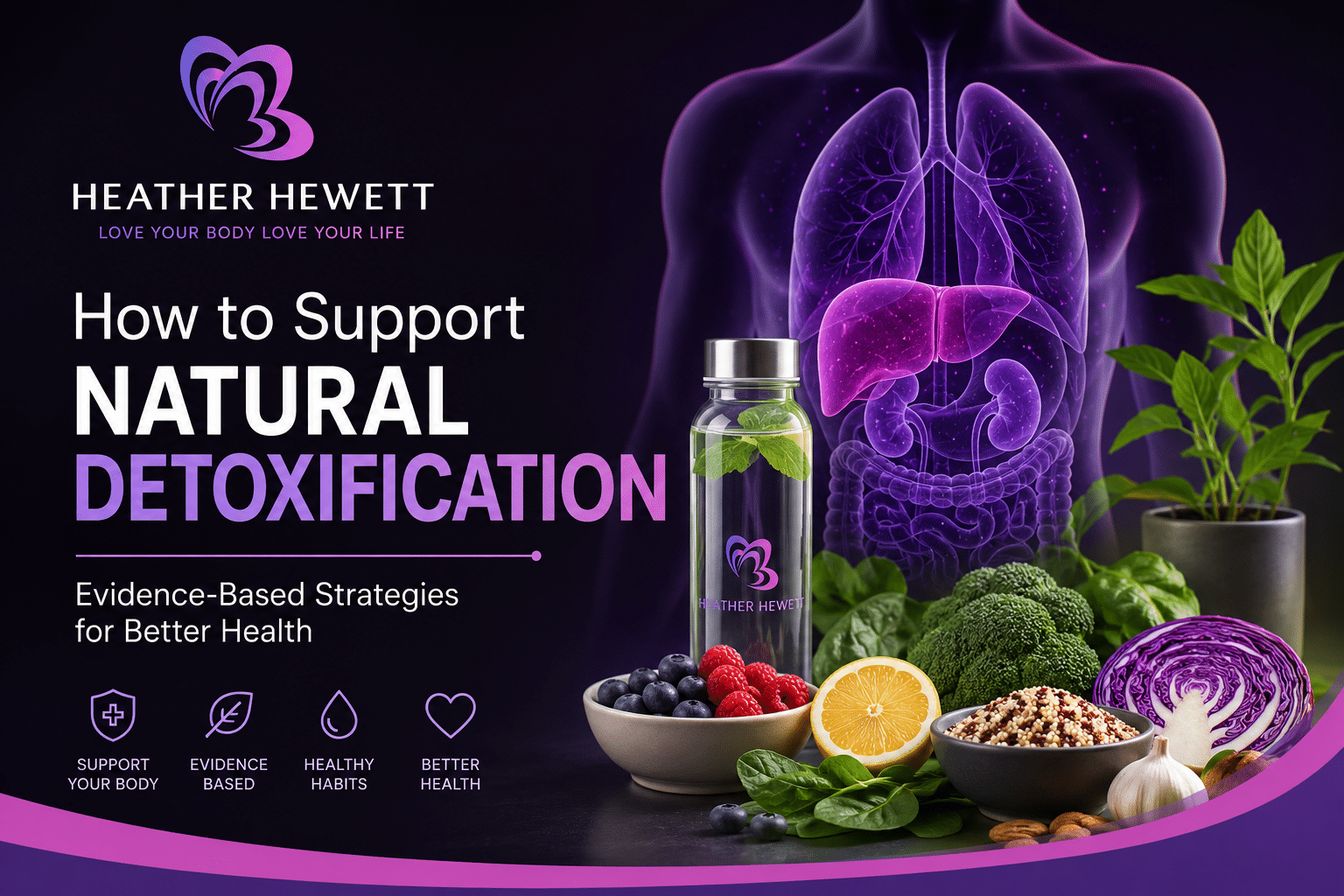
Many products claim to “detox” the body, but the truth is much simpler. Your body already has sophisticated systems designed to identify, process, and eliminate waste products and potentially harmful substances every day.
The body naturally detoxifies itself through the liver, kidneys, digestive tract, skin, and lungs. Supporting these systems involves healthy habits such as staying hydrated, eating fiber-rich foods, exercising regularly, getting enough sleep, and limiting alcohol consumption.
Rather than relying on detox teas, juice cleanses, or expensive supplements, the most effective approach is supporting the body’s natural detoxification process through evidence-based lifestyle habits. These habits help maintain healthy liver function, kidney health, digestive health, cellular health, and overall wellness.
Organizations such as the World Health Organization, the National Institutes of Health, the Centers for Disease Control and Prevention, the Academy of Nutrition and Dietetics, the Mayo Clinic, and the Harvard T.H. Chan School of Public Health consistently emphasizes healthy lifestyle habits as the foundation of preventive health.
In this guide, you’ll learn how natural detoxification works, which organs are involved, what science says about detox support, and practical strategies to support long-term health.
Key Takeaways
- The body detoxifies itself naturally.
- The liver is the primary detoxification organ.
- The kidneys filter waste from the bloodstream.
- The gastrointestinal tract supports toxin elimination.
- The lymphatic system helps transport waste products.
- Sleep, hydration, nutrition, and exercise support healthy detoxification.
- Detox cleanses and detox teas generally lack strong scientific evidence.
- Long-term healthy lifestyle habits are more effective than short-term detox programs.
What Are the Body’s Natural Detoxification Systems?
The body’s natural detoxification systems consist primarily of the liver, kidneys, gastrointestinal tract, colon, skin, lungs, bloodstream, and lymphatic system. Together, these systems process waste products, environmental toxins, metabolic byproducts, and excess substances for safe elimination.
Natural detoxification is not a single event. It is a continuous process occurring every minute of every day.
Main Components of the Body Detox System
| System | Primary Function |
| Liver | Transforms and neutralizes substances |
| Kidneys | Filter waste and excess fluids |
| Gastrointestinal Tract | Eliminates waste through bowel movements |
| Colon | Removes digestive waste |
| Skin | Releases small amounts of waste through sweat |
| Lungs | Remove carbon dioxide and volatile compounds |
| Lymphatic System | Transports immune cells and waste products |
| Bloodstream | Carries substances to detoxification organs |
Each component plays a unique role in maintaining healthy metabolism and supporting toxin elimination.
When these systems function properly, the body efficiently removes waste products generated from normal metabolism and environmental exposures.
Environmental Toxins and Everyday Exposure
Humans encounter environmental toxins daily from sources such as:
- Air pollution
- Tobacco smoke
- Alcohol
- Certain medications
- Industrial chemicals
- Household cleaning products
- Food contaminants
- Heavy metals
The body’s detoxification pathways are designed to handle these exposures within normal limits. Supporting these pathways helps maintain cellular health and resilience.
How Detoxification Works Inside the Human Body
Detoxification involves three major stages: Phase I detoxification, Phase II detoxification, and elimination pathways. These processes primarily occur in the liver and are supported by the kidneys, digestive system, and other organs.
Understanding these stages helps explain why nutrition, hydration, and healthy lifestyle habits are important for healthy detoxification.
Phase I Detoxification
Phase I detoxification occurs primarily in the liver.
During this phase, specialized enzymes convert substances into intermediate compounds. These substances may include:
- Medications
- Hormones
- Alcohol
- Environmental toxins
- Metabolic waste products
The cytochrome P450 enzyme system plays a central role in this process.
While Phase I helps prepare compounds for removal, it can temporarily create reactive intermediate molecules. These molecules may contribute to oxidative stress if not adequately processed.
This is one reason antioxidants are important.
Key nutrients involved in supporting Phase I activity include:
- Vitamin C
- Vitamin E
- Selenium
- Zinc
- Polyphenols
These nutrients help protect cells from oxidative damage while detoxification occurs.
Phase II Detoxification
Phase II detoxification helps make compounds more water-soluble so they can be safely eliminated.
In this phase, the liver attaches specific molecules to processed compounds through reactions known as conjugation pathways.
Examples include:
- Glutathione conjugation
- Sulfation
- Acetylation
- Methylation
- Glucuronidation
Glutathione is often called the body’s master antioxidant because it plays a critical role in liver detoxification and cellular protection.
Foods rich in sulfur-containing compounds may help support glutathione production, including:
- Garlic
- Broccoli
- Brussels Sprouts
- Kale
Sulforaphane, a plant compound found in cruciferous vegetables, has been widely studied for its potential role in supporting detoxification pathways.
Elimination Pathways
Once substances have been processed, they must be removed from the body.
Major elimination pathways include:
- Urine through the kidneys
- Stool through the gastrointestinal tract
- Sweat through the skin
- Exhalation through the lungs
Healthy elimination pathways are essential because detoxification is incomplete unless waste products leave the body.
Factors that support elimination include:
- Hydration
- Fiber intake
- Healthy digestion
- Physical activity
- Adequate sleep
The Liver’s Role in Detoxification
The liver is the body’s primary detoxification organ. It filters blood, processes nutrients, metabolizes medications, regulates hormones, and converts potentially harmful substances into forms that can be eliminated safely.
The liver performs hundreds of functions critical to health.
How the Liver Supports Detoxification
Key responsibilities include:
- Processing nutrients
- Producing bile
- Breaking down medications
- Regulating cholesterol
- Managing blood sugar
- Supporting immune function
- Neutralizing toxins
Blood from the digestive system travels directly to the liver before circulating throughout the body.
This unique position allows the liver to process substances absorbed from food and beverages before they reach other tissues.
Liver Detoxification and Oxidative Stress
Modern lifestyles can increase oxidative stress through:
- Poor diet
- Smoking
- Excess alcohol
- Chronic inflammation
- Air pollution
Antioxidants help protect liver cells from oxidative damage.
Important antioxidants include:
- Vitamin C
- Vitamin E
- Selenium
- Polyphenols
- Glutathione
Foods that support healthy liver function include:
- Broccoli
- Brussels Sprouts
- Kale
- Garlic
- Blueberries
- Green Tea
- Avocado
- Turmeric
Signs the Liver May Need Additional Support
Lifestyle factors that can burden healthy liver function include:
- Excessive alcohol consumption
- Obesity
- Sedentary behavior
- Diets high in ultra-processed foods
- Chronic sleep deprivation
While the liver is highly resilient, long-term healthy lifestyle habits remain the best strategy for supporting liver detoxification.
How the Kidneys Help Remove Waste
The kidneys continuously filter blood, remove waste products, regulate fluid balance, maintain electrolyte levels, and eliminate toxins through urine.
Healthy kidney function is essential for effective waste removal.
How the Kidneys Work
Each day, the kidneys process large volumes of blood.
They help remove:
- Urea
- Excess sodium
- Excess potassium
- Metabolic waste
- Certain medications
- Water-soluble toxins
Filtered substances leave the body through urine.
Why Hydration Matters
Hydration plays a central role in kidney health.
Water helps:
- Maintain blood flow
- Support filtration
- Promote urine production
- Assist toxin elimination
Mild dehydration can reduce efficiency and place additional stress on the kidneys.
Nutrition for Kidney Health
Healthy dietary habits may support kidney function, including:
- Eating fruits and vegetables
- Limiting excessive sodium intake
- Maintaining healthy blood pressure
- Managing blood sugar levels
- Staying physically active
Kidney Health and Preventive Health
The kidneys work closely with the liver and cardiovascular system.
Protecting kidney health through healthy lifestyle habits contributes to:
- Better metabolism
- Improved waste removal
- Healthy aging
- Long-term wellness
The Connection Between Gut Health and Detoxification
Gut health plays a major role in natural detoxification because the gastrointestinal tract and colon help eliminate waste products, metabolized toxins, and substances processed by the liver.
The gut-liver connection is one of the most important yet often overlooked aspects of healthy detoxification.
Understanding the Gut-Liver Connection
The liver produces bile, which helps digest fats and transport waste products into the gastrointestinal tract.
These substances are then eliminated through bowel movements.
If digestion becomes sluggish, elimination may become less efficient.
Healthy digestion supports:
- Toxin elimination
- Nutrient absorption
- Immune function
- Inflammation regulation
- Healthy metabolism
Why Fiber Matters
Fiber is one of the most important nutrients for supporting the natural detox process.
Benefits of fiber intake include:
- Promoting regular bowel movements
- Supporting colon health
- Feeding beneficial gut bacteria
- Supporting healthy cholesterol levels
- Improving digestive health
Excellent sources include:
- Beans
- Lentils
- Oats
- Fruits
- Vegetables
- Whole grains
- Nuts and seeds
Gut Microbiome and Detox Support
Beneficial gut bacteria help:
- Support healthy digestion
- Produce beneficial compounds
- Influence inflammation levels
- Support immune health
Foods that support gut health include:
- High-fiber foods
- Fermented foods
- Fruits
- Vegetables
- Whole foods
A healthy gut supports one of the body’s most important detoxification pathways and contributes significantly to long-term health.
The Role of the Lymphatic System
The lymphatic system helps support natural detoxification by transporting excess fluid, cellular waste, immune cells, and other substances throughout the body. While it does not detoxify substances in the same way as the liver or kidneys, it plays an important supporting role in waste removal and immune function.
The lymphatic system is a network of vessels, tissues, and lymph nodes that work alongside the circulatory system.
How the Lymphatic System Supports Detoxification
Key functions include:
- Collecting excess fluid from tissues
- Transporting immune cells
- Supporting immune surveillance
- Moving cellular waste products
- Returning filtered fluid to the bloodstream
Unlike the circulatory system, the lymphatic system does not have a central pump. Instead, lymphatic drainage depends largely on body movement and muscle contractions.
This is one reason regular physical activity supports healthy detoxification pathways.
Factors That Support Healthy Lymphatic Function
Healthy lifestyle habits that may support lymphatic drainage include:
- Regular exercise
- Walking throughout the day
- Staying hydrated
- Maintaining a healthy weight
- Getting sufficient sleep
The lymphatic system works closely with the bloodstream, immune system, liver, and kidneys to support overall wellness.
How the Skin Supports Detoxification
The skin contributes to the body’s natural detoxification process primarily by serving as a protective barrier and through limited waste removal via sweat. However, the skin is not considered a major detoxification organ compared with the liver and kidneys.
The skin is the body’s largest organ and plays several important roles in health.
Functions of the Skin
The skin helps:
- Protect against environmental toxins
- Regulate body temperature
- Prevent excessive fluid loss
- Support immune defenses
- Release small amounts of waste through sweat
Sweat contains substances such as:
- Water
- Sodium
- Potassium
- Trace waste products
Although sweating can contribute modestly to waste removal, scientific evidence does not support the idea that excessive sweating alone can “cleanse” the body of toxins.
Supporting Skin Health
Healthy skin supports overall wellness.
Helpful habits include:
- Drinking enough water
- Eating nutrient dense foods
- Getting adequate sleep
- Avoiding smoking
- Protecting skin from excessive sun exposure
- Managing chronic stress
Nutrients associated with skin health include:
- Vitamin C
- Vitamin E
- Zinc
- Selenium
- Polyphenols
- Antioxidants
Because oxidative stress and inflammation can affect skin health, a balanced diet rich in whole foods may provide additional support.
10 Science-Backed Ways to Support Natural Detoxification
The best way to support natural detoxification is through long-term healthy lifestyle habits. Scientific evidence consistently supports hydration, fiber intake, sleep quality, exercise, nutrient-rich foods, and healthy digestion as key contributors to healthy detoxification.
Stay Hydrated
Hydration is essential for healthy detoxification.
Water supports:
- Kidney function
- Blood circulation
- Nutrient transport
- Waste removal
- Temperature regulation
Practical tips:
- Drink water consistently throughout the day.
- Increase fluid intake during hot weather or exercise.
- Choose water more often than sugary beverages.
Eat More Fiber
Fiber supports:
- Colon health
- Healthy digestion
- Regular bowel movements
- Gut health
- Waste elimination
Aim to include a variety of:
- Vegetables
- Fruits
- Whole grains
- Legumes
- Nuts and seeds
Prioritize Sleep
Sleep quality plays a major role in recovery and overall health.
During sleep, the body performs critical maintenance activities that support:
- Cellular health
- Brain function
- Hormonal balance
- Immune function
- Metabolism
Adults should generally aim for 7 to 9 hours of quality sleep each night.
Exercise Regularly
Exercise benefits nearly every system involved in healthy detoxification.
Regular physical activity supports:
- Blood circulation
- Lymphatic drainage
- Healthy metabolism
- Weight management
- Cardiovascular health
Examples include:
- Walking
- Cycling
- Swimming
- Strength training
- Recreational sports
Eat Antioxidant-Rich Foods
Antioxidants help protect cells from oxidative stress.
Research suggests antioxidant-rich foods may help support:
- Healthy liver function
- Cellular health
- Immune function
- Healthy aging
Excellent sources include:
- Blueberries
- Strawberries
- Spinach
- Green Tea
- Walnuts
Key antioxidant nutrients include:
- Vitamin C
- Vitamin E
- Selenium
- Polyphenols
Consume Cruciferous Vegetables
Cruciferous vegetables contain compounds that may support liver detoxification pathways.
Examples include:
- Broccoli
- Brussels Sprouts
- Kale
These foods contain sulforaphane, a plant compound studied for its role in supporting detoxification enzymes.
Adding these vegetables several times per week may help support healthy liver function.
Support Healthy Digestion
Healthy digestion supports effective waste removal.
Helpful habits include:
- Eating fiber-rich foods
- Staying hydrated
- Being physically active
- Consuming a variety of whole foods
A healthy gastrointestinal tract supports both gut health and natural detoxification.
Reduce Alcohol Intake
Alcohol places additional demands on liver detoxification systems.
Reducing alcohol consumption may help:
- Support healthy liver function
- Reduce inflammation
- Improve sleep quality
- Support healthy metabolism
Limiting alcohol intake is one of the most evidence-based ways to support liver health.
Manage Stress
Chronic stress can affect multiple systems throughout the body.
Stress management supports:
- Sleep quality
- Digestive health
- Immune function
- Cardiovascular health
- Overall wellness
Helpful strategies include:
- Spending time outdoors
- Social connection
- Relaxation techniques
- Time management
- Regular physical activity
Maintain a Healthy Weight
Maintaining a healthy weight supports:
- Healthy liver function
- Kidney health
- Cardiovascular health
- Blood sugar regulation
- Inflammation control
Long-term healthy lifestyle habits are more effective than rapid weight-loss detox programs.
Foods That Support Natural Detoxification
Foods that support natural detoxification are generally nutrient dense foods rich in fiber, antioxidants, vitamins, minerals, and beneficial plant compounds. These foods help support healthy liver function, kidney health, digestive health, and cellular health.
Detox-Support Foods Table
| Food | Key Nutrients | Detoxification Benefit |
| Broccoli | Sulforaphane, Fiber, Vitamin C | Supports liver detoxification pathways |
| Brussels Sprouts | Sulforaphane, Fiber | Supports healthy detoxification enzymes |
| Kale | Fiber, Vitamin C, Antioxidants | Supports healthy liver function |
| Spinach | Folate, Vitamin C, Antioxidants | Supports cellular health |
| Garlic | Sulfur compounds | Supports glutathione production |
| Turmeric | Curcumin, Polyphenols | Supports healthy inflammatory response |
| Green Tea | Catechins, Polyphenols | Supports antioxidant defenses |
| Blueberries | Polyphenols, Fiber | Helps combat oxidative stress |
| Strawberries | Vitamin C, Antioxidants | Supports immune and cellular health |
| Avocado | Healthy fats, Fiber | Supports nutrient absorption |
| Lemon | Vitamin C | Supports antioxidant intake |
| Beets | Fiber, Folate | Supports digestive and cardiovascular health |
| Walnuts | Omega-3 fats, Polyphenols | Supports healthy inflammation balance |
Additional Whole Foods That Support Detox Support
Other beneficial foods include:
- Oats
- Lentils
- Beans
- Apples
- Pears
- Chia seeds
- Flaxseeds
- Carrots
- Bell peppers
- Sweet potatoes
Why Whole Foods Matter
Whole foods provide a combination of nutrients that work together to support:
- Healthy metabolism
- Cellular health
- Gut health
- Digestive health
- Healthy detoxification
No single food can detoxify the body. Instead, dietary patterns rich in nutrient dense foods provide the strongest support for long-term wellness.
Quick Summary Box
Best foods for supporting natural detoxification:
- Broccoli
- Brussels Sprouts
- Kale
- Garlic
- Blueberries
- Strawberries
- Green Tea
- Turmeric
- Avocado
- Walnuts
These foods support healthy liver function, antioxidant defenses, digestion, and overall detoxification pathways.
Common Detox Myths Debunked
Many popular detox claims are not supported by scientific evidence. The body already has highly effective detoxification systems, and most commercial detox products provide little or no proven benefit for healthy individuals.
Understanding the facts can help you focus on evidence-based wellness habits instead of expensive or restrictive detox programs.
Myth 1: Detox Teas Remove Toxins
Reality
There is little scientific evidence that detox teas remove toxins from the body.
Many detox teas work primarily because they contain:
- Caffeine
- Herbal laxatives
- Diuretic ingredients
These ingredients may temporarily increase urination or bowel movements, but this does not mean toxins are being removed more effectively.
Potential concerns include:
- Dehydration
- Digestive discomfort
- Electrolyte imbalances
- Dependency on stimulant laxatives
The liver and kidneys remain the body’s primary detoxification organs.
Myth 2: Juice Cleanses Detox the Body
Reality
Juice cleanses are often marketed as a quick way to “flush toxins” from the body, but evidence supporting these claims is limited.
Potential drawbacks include:
- Low protein intake
- Reduced fiber intake
- Blood sugar fluctuations
- Temporary weight loss that mostly reflects water changes
While fruit and vegetable juices can provide vitamins and antioxidants, they do not replace the body’s natural detoxification systems.
Whole fruits and vegetables generally provide greater benefits because they contain fiber that supports healthy digestion and toxin elimination.
Myth 3: Supplements Are Necessary for Detoxification
Reality
Most healthy people do not need specialized detox supplements.
The body detoxification process relies primarily on:
- Healthy liver function
- Kidney function
- Gut health
- Hydration
- Adequate nutrition
Some supplements may interact with medications or carry safety concerns.
Before using supplements, consult a qualified healthcare professional.
A balanced diet rich in whole foods often provides the nutrients needed to support healthy detoxification.
Myth 4: You Need Regular Detox Programs
Reality
The concept of performing periodic detox programs is largely a marketing idea.
The body does not stop detoxifying between detox programs.
Natural detoxification occurs continuously through:
- The Liver
- The Kidneys
- The Colon
- The Gastrointestinal Tract
- The Skin
- The Lymphatic System
The most effective approach is maintaining healthy lifestyle habits every day.
Detox Myth Summary
| Myth | Evidence-Based Reality |
| Detox teas remove toxins | Limited evidence, liver and kidneys perform detoxification |
| Juice cleanses detox the body | No strong evidence, whole foods are generally superior |
| Detox supplements are required | Most healthy people do not need them |
| Detox programs are necessary | The body detoxifies continuously |
Signs Your Detoxification Systems Need More Support
There are no specific symptoms that reliably indicate “toxin buildup” in healthy individuals. However, certain lifestyle factors may suggest that your detoxification systems could benefit from additional support through healthier habits.
Common signs that lifestyle improvements may be helpful include:
- Frequent fatigue
- Poor sleep quality
- Sedentary lifestyle
- Low fiber intake
- Inadequate hydration
- Excessive alcohol consumption
- Diets high in ultra-processed foods
- Chronic stress
- Unintentional weight gain
- Digestive irregularity
These symptoms are not proof of poor detoxification and may have many potential causes.
If symptoms are persistent or concerning, seek evaluation from a healthcare professional.
Lifestyle Risk Factors
Several factors can place additional demands on the body’s detoxification pathways:
- Smoking
- Excess alcohol
- Obesity
- Chronic inflammation
- Environmental toxin exposure
- Sleep deprivation
- Poor nutrition
Improving these areas may support healthy liver function, kidney health, digestive health, and overall wellness.
Daily Habits Checklist for Supporting Detoxification
A daily routine built around hydration, nutrition, movement, sleep, and stress management provides the strongest support for natural detoxification.
Daily Detoxification Support Checklist
Morning
☐ Drink a glass of water
☐ Eat a nutrient-dense breakfast
☐ Include fiber-rich foods
☐ Get some physical movement
Throughout the Day
☐ Stay hydrated
☐ Eat vegetables at multiple meals
☐ Include fruits rich in antioxidants
☐ Choose whole foods whenever possible
☐ Limit highly processed foods
☐ Take movement breaks if sitting for long periods
Evening
☐ Eat a balanced dinner
☐ Limit alcohol intake
☐ Reduce screen exposure before bed
☐ Prioritize quality sleep
Weekly Goals
☐ Eat cruciferous vegetables several times
☐ Include antioxidant-rich foods daily
☐ Engage in regular exercise
☐ Manage stress effectively
☐ Maintain healthy digestion
☐ Support healthy weight management
Long-Term Wellness Approach
Healthy detoxification is not a short-term project.
The most effective strategy focuses on:
- Consistency
- Balanced nutrition
- Physical activity
- Recovery
- Preventive health habits
These practices support healthy metabolism, cellular health, and long-term wellness.
Medical Disclaimer
This article is intended for educational and informational purposes only. It does not constitute medical advice, diagnosis, or treatment. Always consult a qualified healthcare professional before making significant changes to your diet, exercise routine, medications, or supplement regimen.
Individuals with liver disease, kidney disease, gastrointestinal disorders, diabetes, cardiovascular conditions, or other medical concerns should seek personalized medical guidance.
Sources and Organizations for Further Reading
The information presented in this article aligns with guidance and research from respected health and scientific organizations, including:
Frequently Asked Questions
Does the body naturally detox itself?
Yes. The body naturally detoxifies itself through the Liver, Kidneys, Gastrointestinal Tract, Colon, Lungs, Skin, and Lymphatic System. These systems continuously process metabolic waste, environmental toxins, excess hormones, and unwanted substances, then eliminate them through urine, stool, sweat, and exhalation as part of normal physiological function.
What foods support natural detoxification?
Foods that support natural detoxification include broccoli, Brussels sprouts, kale, garlic, blueberries, strawberries, beets, avocado, walnuts, and green tea. These foods provide fiber, antioxidants, polyphenols, vitamins, minerals, and compounds such as sulforaphane that support healthy liver function, digestion, and natural detoxification pathways.
Do detox cleanses work?
Most detox cleanses lack strong scientific evidence. The body’s natural detoxification systems already remove waste and toxins through the liver, kidneys, digestive tract, lungs, and skin. Long-term healthy habits such as hydration, fiber intake, exercise, and sleep are generally more effective than detox teas or juice cleanses.
How can I support liver health naturally?
You can support healthy liver function by limiting alcohol intake, maintaining a healthy weight, eating nutrient-dense foods, exercising regularly, staying hydrated, getting quality sleep, and managing stress. These habits help support liver detoxification, reduce oxidative stress, and promote long-term metabolic health.
Does drinking water remove toxins?
Water supports toxin elimination by helping the kidneys filter waste products from the bloodstream and remove them through urine. Proper hydration also supports circulation, digestion, metabolism, and kidney function, making it an essential component of healthy detoxification.
How long does detoxification take?
Detoxification is a continuous biological process that occurs every day throughout life. The liver, kidneys, digestive system, lungs, and other organs constantly process and eliminate waste products, making detoxification an ongoing function rather than a short-term event.
What organs are responsible for detoxification?
The primary organs responsible for detoxification are the Liver, Kidneys, Gastrointestinal Tract, Colon, Lungs, and Skin. The Bloodstream and Lymphatic System also support detoxification by transporting waste products and helping maintain efficient toxin elimination pathways.
Can detoxification improve overall health?
Supporting natural detoxification may contribute to better overall health by promoting healthy liver function, kidney health, digestion, metabolism, and cellular health. These benefits are typically achieved through healthy lifestyle habits rather than commercial detox products or restrictive cleansing programs.
What is the best natural detox method?
The best natural detox method is supporting the body’s existing detoxification systems through hydration, fiber-rich foods, regular exercise, quality sleep, stress management, and limited alcohol consumption. These evidence-based habits help maintain healthy detoxification pathways and long-term wellness.
Are detox supplements necessary?
No. Most healthy adults do not need detox supplements because the body already has effective detoxification systems. A balanced diet rich in whole foods, antioxidants, fiber, vitamins, and minerals generally provides the support needed for healthy detoxification and waste removal.