
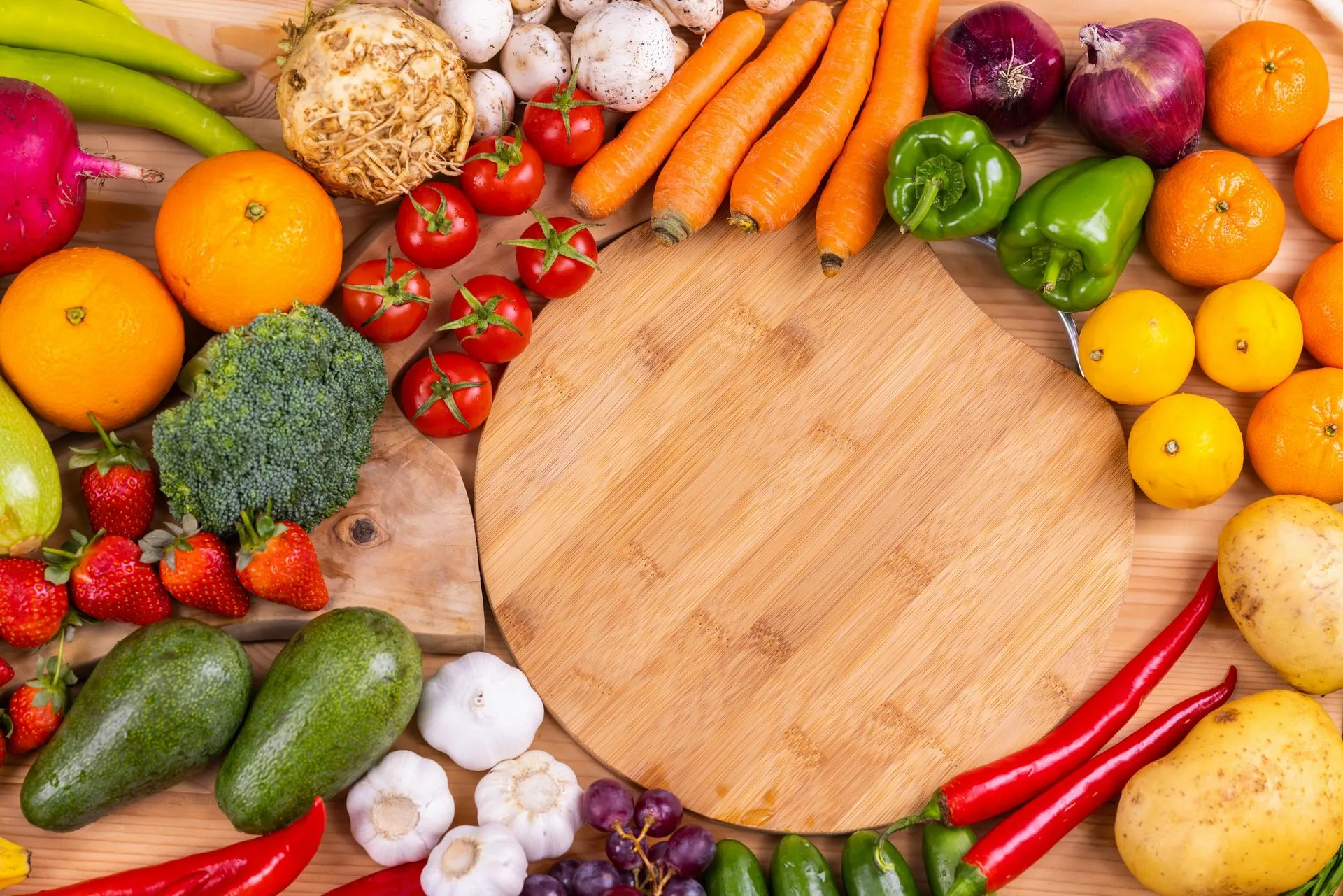
Can nutrition heal autoimmune disease? Nutrition alone cannot reliably cure, reverse, or permanently heal autoimmune disease. However, a personalized nutrition plan may help some people manage autoimmune symptoms, reduce inflammation, support gut health, correct nutrient deficiencies, identify food triggers, and improve quality of life alongside proper medical care.
Autoimmune disease is complex. It happens when the immune system mistakenly targets healthy tissues. According to the National Institute of Arthritis and Musculoskeletal and Skin Diseases, autoimmune diseases involve autoantibodies that signal the body to attack its own healthy tissues by mistake.
Medical disclaimer: This article is for educational purposes only. It does not replace diagnosis, medical treatment, or advice from a physician, rheumatologist, gastroenterologist, endocrinologist, registered dietitian, or qualified healthcare provider. Do not stop prescribed medication because of diet changes.
If you want personalized support, clinical nutrition coaching focuses on nourishment, gut health, inflammation, stress regulation, and sustainable food choices.
Can Nutrition Really Heal Autoimmune Disease?
The word “heal” can be confusing. Some people use it to mean feeling better. Others use it to mean curing a disease completely. In medical care, those meanings are very different.
Heal vs Cure vs Manage
|
Term |
Meaning |
|
Heal |
Often used informally to describe feeling better or improving |
|
Cure |
The disease is gone and no longer requires treatment |
|
Manage |
Symptoms, inflammation, and flares are better controlled |
|
Remission |
Disease activity becomes low or inactive for a period of time |
|
Symptom improvement |
Pain, fatigue, digestion, skin symptoms, or flares improve |
For most autoimmune diseases, nutrition should be viewed as a support tool, not a cure. A thoughtful autoimmune disease diet may help reduce inflammatory burden, support the gut microbiome, correct nutrient deficiencies, and help identify food triggers.
However, nutrition should complement medical care. It should not replace medication, diagnosis, lab testing, or specialist monitoring.
When Diet Is Medically Necessary
There are some disease-specific cases where diet is essential. For example, in celiac disease, gluten triggers an immune reaction that damages the small intestine. The National Institute of Diabetes and Digestive and Kidney Diseases explains that doctors treat celiac disease by helping people follow a gluten-free diet.
This does not mean a gluten-free diet cures every autoimmune disease. It means nutrition must be personalized to the condition.
How Diet May Influence Autoimmune Symptoms
Diet may influence autoimmune symptoms through several pathways. These effects vary from person to person.
1. Inflammation
Autoimmune disease often involves immune system activation and chronic inflammation. A diet high in ultra-processed foods, excess added sugar, refined carbohydrates, and low-quality fats may contribute to inflammation in some people.
A whole-food, anti-inflammatory diet may support better inflammatory balance by emphasizing vegetables, fruits, fiber, healthy fats, herbs, spices, and omega-3-rich foods.
2. Gut Microbiome
The gut microbiome is the community of bacteria and other microorganisms living in the digestive tract. It plays a role in digestion, immune function, gut barrier health, and inflammation.
Supporting gut health does not cure autoimmune disease, but it may help some people feel better. If digestion is a concern, this guide on how to improve digestion naturally explains simple gut-supportive habits such as eating slowly, increasing fiber gradually, staying hydrated, and managing stress.
3. Intestinal Barrier Health
The intestinal barrier helps control what passes from the gut into the bloodstream. Researchers are studying how intestinal permeability may relate to immune activity, inflammation, and autoimmune disease.
However, exaggerated “leaky gut cure” claims should be avoided. Gut health matters, but no supplement, detox, or diet protocol can guarantee autoimmune healing.
4. Nutrient Deficiencies
Some people with autoimmune disease are at higher risk of nutrient deficiencies because of inflammation, digestive issues, restrictive diets, medication effects, or malabsorption.
Common nutrients that may matter include:
- Vitamin D
- Vitamin B12
- Iron
- Omega-3 fatty acids
- Zinc
- Selenium
- Folate
- Magnesium
The NIH Office of Dietary Supplements explains that vitamin D has roles in inflammation reduction, immune function, bone health, and other body processes.
5. Stress and Nervous System Regulation
Autoimmune flares are not only influenced by food. Sleep, stress, trauma, burnout, hormones, infections, and medications may also affect symptoms.
Chronic stress can affect digestion, appetite, cravings, sleep, and immune regulation. If stress is part of your symptom pattern, this article on chronic stress symptoms may help you understand how stress can show up in the body.
You may also benefit from learning about nervous system regulation if stress, overwhelm, anxiety, or burnout seem connected to your symptoms.
6. Food Triggers
Some people notice that certain foods seem to worsen symptoms. These may include gluten, dairy, eggs, alcohol, added sugar, nightshades, grains, or highly processed foods.
Food triggers are highly individual. A food that worsens symptoms for one person may be perfectly fine for another. This is why careful tracking and reintroduction are better than following a long universal avoid list.
Best Diet Patterns for Autoimmune Disease
There is no single best autoimmune disease diet. The best approach is usually personalized, nutrient-dense, realistic, and medically safe.
Autoimmune Disease Diet Comparison Table
|
Diet Pattern |
Possible Benefits |
Who It May Help |
Cautions |
|
Mediterranean diet |
Supports heart health, fiber intake, healthy fats, and anti-inflammatory eating |
People wanting a balanced, sustainable anti-inflammatory diet |
May need adjustment for IBD, celiac disease, allergies, or diabetes |
|
Anti-inflammatory whole-food diet |
Reduces ultra-processed foods, added sugar, and refined carbohydrates |
People with inflammation, fatigue, cravings, or metabolic concerns |
Should not become overly restrictive |
|
Autoimmune Protocol Diet or AIP diet |
May help identify personal food triggers through elimination and reintroduction |
Some people with autoimmune symptoms under supervision |
Restrictive and not proven as a universal cure |
|
Gluten-free diet |
Essential for celiac disease |
People with confirmed celiac disease or medically diagnosed gluten-related disorders |
Not automatically needed for all autoimmune diseases |
|
Disease-specific nutrition plan |
Tailored to the diagnosis and symptoms |
People with RA, lupus, Hashimoto’s, Crohn’s disease, ulcerative colitis, psoriasis, MS, type 1 diabetes, and related conditions |
Should be guided by a qualified professional |
A Mediterranean-style pattern is often a safe starting point because it focuses on vegetables, fruits, legumes, whole grains, fish, olive oil, nuts, seeds, and minimally processed foods. Still, it should be adapted to the individual.
Foods That May Support Autoimmune Health
A supportive autoimmune disease nutrition plan usually starts by adding nourishing foods instead of removing everything.
Anti-Inflammatory Foods to Consider
Foods that may support autoimmune health include:
- Vegetables, especially leafy greens and colorful vegetables
- Fruits, especially berries and citrus if tolerated
- Fiber-rich foods such as oats, beans, lentils, vegetables, fruits, and seeds
- Fatty fish such as salmon, sardines, trout, and mackerel
- Extra virgin olive oil
- Nuts and seeds if tolerated
- Legumes and whole grains if tolerated
- Fermented foods such as yogurt, kefir, sauerkraut, kimchi, or miso if appropriate
- Adequate protein for tissue repair, muscle health, and immune function
- Foods rich in vitamin D, B12, iron, zinc, selenium, folate, magnesium, omega-3 fatty acids, and polyphenols
If you are unsure where to begin, an article on what a holistic nutritionist does explains how personalized nutrition can consider digestion, stress, lifestyle, and whole-person wellness.
Foods That May Worsen Symptoms for Some People
There is no universal food avoid list for autoimmune disease. Food triggers vary by diagnosis, gut health, immune activity, stress, medications, and individual tolerance.
Foods and Patterns That May Be Triggers
Some foods or patterns may worsen symptoms for some people, including:
- Ultra-processed foods
- Excess added sugar
- Refined carbohydrates
- Excess alcohol
- High-sodium processed foods
- Gluten for people with celiac disease
- Dairy, eggs, nightshades, grains, legumes, or nuts only when personally identified as triggers
For celiac disease, gluten avoidance is medical nutrition therapy. For people without celiac disease, gluten should not automatically be blamed for every autoimmune symptom.
If you suspect food triggers, use a food and symptom journal instead of guessing. Track meals, symptoms, sleep, stress, digestion, medication timing, and flares. This gives you better information before removing major food groups.
Autoimmune Disease Is Not One Condition
Autoimmune disease is not one single condition. It is a category that includes many different diseases. Nutrition needs may differ depending on the diagnosis, organ system involved, medications, disease activity, and personal tolerance.
Disease-Specific Nutrition Considerations
Rheumatoid Arthritis
A person with rheumatoid arthritis may benefit from an anti-inflammatory eating pattern, adequate protein, omega-3-rich foods, and weight-supportive nutrition if needed.
Lupus
Lupus may affect many organs, so nutrition should be individualized. Kidney involvement, medication use, heart health, and vitamin D status may need special attention.
Hashimoto’s Thyroiditis
A person with Hashimoto’s thyroiditis may need support with thyroid labs, selenium, vitamin D, iron, B12, gut health, and medication-food timing.
Graves’ Disease
Graves’ disease requires medical care from an endocrinologist. Nutrition may support bone health, weight changes, energy, and nutrient adequacy.
Celiac Disease
Celiac disease requires a strict gluten-free diet. Gluten exposure can damage the small intestine and contribute to malabsorption.
Crohn’s Disease and Ulcerative Colitis
People with Crohn’s disease or ulcerative colitis may need different nutrition strategies during flares and remission. Protein, hydration, iron, B12, vitamin D, and fiber tolerance may be important.
Psoriasis and Psoriatic Arthritis
Some people with psoriasis or psoriatic arthritis may benefit from anti-inflammatory eating, alcohol moderation, weight support, and gut health support.
Multiple Sclerosis
No single diet is proven to cure multiple sclerosis. A nutrient-dense diet may support general health, energy, and cardiovascular wellness.
Type 1 Diabetes
Type 1 diabetes requires insulin and glucose monitoring. Nutrition should be coordinated with medical care to support safe blood sugar management.
Because autoimmune conditions are different, disease-specific support matters. Clinical nutrition coaching includes support for autoimmune symptoms, Hashimoto’s, gut health, food sensitivities, inflammation, stress, and sustainable nourishment.
The Role of Gut Health in Autoimmune Disease
Gut health is one of the most discussed topics in autoimmune nutrition. It matters, but it should be discussed carefully.
The gut and immune system interact closely. Fiber, prebiotics, probiotics, fermented foods, polyphenols, and a diverse diet may support the gut microbiome. Stress, poor sleep, low fiber intake, excessive alcohol, ultra-processed foods, infections, and some medications may affect digestion and gut balance.
The gut and brain also communicate in both directions. If you want a simple explanation, this article on the gut-brain connection explains how digestion, stress, mood, and nervous system responses can overlap.
Gut-Supportive Habits
Gut-supportive habits may include:
- Eating a variety of plant foods
- Increasing fiber gradually
- Drinking enough water
- Eating slowly
- Adding fermented foods if tolerated
- Supporting regular meals
- Managing stress before meals
- Avoiding unnecessary restrictive diets
Gut health is not a guaranteed autoimmune cure. Probiotics, detoxes, and leaky gut protocols should not replace medical treatment.
Nutrient Deficiencies and Autoimmune Disease
Nutrient deficiencies can worsen fatigue, weakness, mood changes, immune function, anemia, bone health, and recovery. Testing is important because symptoms alone cannot confirm a deficiency.
Vitamin D
Vitamin D supports bone health, calcium absorption, inflammation regulation, and immune function. Supplementation should be guided by testing and professional advice.
Vitamin B12
B12 may be especially important for people with pernicious anemia, celiac disease, Crohn’s disease, vegan diets, metformin use, or digestive absorption concerns.
Iron
Iron matters for energy, oxygen transport, and anemia prevention. Low iron may occur with heavy periods, IBD, celiac disease, low intake, or blood loss.
Omega-3 Fatty Acids
Omega-3 fatty acids are found in fatty fish and algae-based options. They may help support inflammatory balance, but supplements should be reviewed if you take blood thinners or have surgery planned.
Zinc and Selenium
Zinc supports immune and skin health. Selenium may be relevant to thyroid health, but high doses can be harmful.
Folate and Magnesium
Folate supports blood health and is especially important around pregnancy. Magnesium supports muscle, nerve, and metabolic function.
Do not self-prescribe high-dose supplements. More is not always better.
Can the AIP Diet Help Autoimmune Disease?
The Autoimmune Protocol Diet, also called the AIP diet, is a structured elimination diet. It usually removes foods such as grains, legumes, dairy, eggs, nuts, seeds, nightshades, alcohol, added sugars, and ultra-processed foods for a limited time.
After the elimination phase, foods are reintroduced one at a time to identify possible triggers.
Potential Benefits of AIP
The AIP diet may help some people:
- Notice patterns between food and symptoms
- Reduce intake of ultra-processed foods
- Focus on whole foods
- Identify personal food triggers
- Reintroduce foods more systematically
Cautions With AIP
AIP is not proven as a universal autoimmune cure. It can also be socially difficult, emotionally stressful, and nutritionally restrictive.
AIP should be supervised if you have:
- Crohn’s disease or ulcerative colitis
- Type 1 diabetes
- Pregnancy
- Eating disorder history
- Unexplained weight loss
- Anemia
- Severe fatigue
- Multiple medications
- Long-term restrictive dieting history
If your relationship with food already feels stressful, support for emotional eating and food cravings may be helpful before starting any restrictive food plan.
What Diet Cannot Do for Autoimmune Disease
Diet can be helpful, but it has limits.
Diet Cannot Guarantee a Cure
No diet can guarantee that autoimmune disease will disappear permanently.
Diet Cannot Replace Medication
Some autoimmune diseases can cause organ damage if undertreated. Medication, monitoring, and specialist care may be necessary.
Diet Cannot Work the Same Way for Everyone
Two people with the same diagnosis may respond differently to the same foods.
Diet Cannot Replace Diagnosis or Medical Monitoring
Blood tests, imaging, endoscopy, thyroid labs, antibody testing, glucose monitoring, and specialist evaluations may still be needed.
Diet Cannot Prevent Every Flare
Flares may be influenced by infections, stress, hormones, sleep, medications, environmental triggers, and disease activity.
Nutrition can be powerful, but it should not be used as a reason to avoid medical care.
When to Work With a Doctor or Nutrition Professional
Professional support is especially important if you have:
- Severe flares
- Unexplained weight loss
- Anemia
- Digestive bleeding
- Persistent diarrhea or vomiting
- Pregnancy
- Type 1 diabetes
- Eating disorder history
- Kidney disease
- Multiple medications
- Long-term restrictive dieting
- Suspected celiac disease
- New neurological symptoms
- Severe fatigue or weakness
Professionals Who May Help
Relevant professionals may include:
- Primary care physician
- Rheumatologist
- Gastroenterologist
- Endocrinologist
- Neurologist
- Dermatologist
- Registered dietitian
- Qualified clinical nutrition professional
If you want help creating a realistic plan, I offer nutritional counseling and clinical nutrition support that considers food, stress, digestion, cravings, and whole-person wellness.
Practical Steps to Start Safely
You do not need to begin with an extreme elimination diet. Start with safe, sustainable steps.
Step 1: Keep a Food and Symptom Journal
Track:
- Meals and snacks
- Digestive symptoms
- Pain or stiffness
- Fatigue
- Skin changes
- Sleep
- Stress
- Menstrual cycle
- Medication timing
- Flares
Look for patterns over time instead of blaming one food immediately.
Step 2: Focus on Whole, Minimally Processed Foods
Build meals around:
- Protein
- Fiber-rich carbohydrates
- Colorful vegetables
- Healthy fats
- Hydration
This supports blood sugar balance, digestion, and nutrient intake.
Step 3: Add Anti-Inflammatory Foods
Include foods such as:
- Fatty fish
- Olive oil
- Berries
- Leafy greens
- Herbs and spices
- Nuts and seeds if tolerated
- Beans and lentils if tolerated
Step 4: Correct Deficiencies With Testing
Ask your healthcare provider about vitamin D, B12, iron studies, ferritin, folate, magnesium, zinc, and selenium if relevant.
Step 5: Avoid Unnecessary Restriction
Removing too many foods can increase nutrient gaps, anxiety around food, cravings, and disordered eating risk.
Step 6: Identify Triggers Carefully
If a food seems linked to symptoms, remove it temporarily and reintroduce it in a structured way. Avoid permanent restriction unless medically necessary.
Step 7: Support Stress and Nervous System Regulation
Food matters, but stress can also affect digestion, cravings, sleep, inflammation, and symptom perception. This guide on how to reset your nervous system may help you explore gentle regulation tools.
Step 8: Work With a Qualified Professional
This is especially important if you are considering AIP, gluten-free eating, supplements, or a long-term elimination diet.
Bottom Line
Nutrition may be a powerful support tool for autoimmune disease management, but it is not a guaranteed cure. A personalized autoimmune disease nutrition plan may help reduce inflammation, support gut health, correct nutrient deficiencies, identify food triggers, and improve quality of life.
The safest approach is evidence-informed, individualized, and used alongside appropriate medical care.
Medical disclaimer: This article is for educational purposes only. It does not diagnose, treat, cure, or prevent autoimmune disease. Always speak with your healthcare provider before changing medication, starting supplements, or beginning a restrictive diet.
FAQ
Can Nutrition Heal Autoimmune Disease?
Nutrition alone cannot reliably heal or cure autoimmune disease. It may help manage symptoms, inflammation, gut health, nutrient deficiencies, and quality of life when used alongside medical care.
Can Diet Reverse Autoimmune Disease?
For most autoimmune diseases, diet cannot be promised to reverse the disease. Some people may experience symptom improvement or better flare management, but results vary.
What Is the Best Diet for Autoimmune Disease?
There is no single best diet for everyone. A Mediterranean-style, anti-inflammatory, whole-food diet is a practical starting point for many people, but nutrition should be personalized.
Is the AIP Diet Good for Autoimmune Disease?
The AIP diet may help some people identify food triggers, but it is restrictive and not proven as a universal cure. It is best done with professional supervision.
What Foods Should People With Autoimmune Disease Avoid?
There is no universal avoid list. Some people may benefit from reducing ultra-processed foods, excess added sugar, refined carbohydrates, excess alcohol, and personal trigger foods.
Is Gluten Bad for Autoimmune Disease?
Gluten must be avoided in celiac disease. For other autoimmune diseases, gluten is not automatically harmful for everyone and should be assessed individually.
Can Gut Health Affect Autoimmune Disease?
Gut health may influence immune regulation, inflammation, digestion, and symptoms. However, improving gut health is not a guaranteed autoimmune cure.
Can Vitamin D Help Autoimmune Disease?
Vitamin D supports immune function, inflammation regulation, and bone health. Supplementation should be guided by testing and medical advice.
Can Autoimmune Disease Go Into Remission With Diet?
Some people may experience symptom improvement with diet, but remission depends on the condition, disease activity, medical treatment, genetics, stress, sleep, and other factors.
Should I Stop Medication If My Symptoms Improve With Diet?
No. Do not stop medication without your doctor’s guidance. Symptoms can improve while underlying disease activity may still need monitoring or treatment.